World Robot Olympiad
World Robot Olympiad is an international robotics competition that inspires young people to create innovative robotic solutions through teamwork and creativity.
What is the World Robot Olympiad and why does it matter?
At its core, World Robot Olympiad, or WRO, is a global event where students design, build, and program robots to solve themed challenges each year. It combines engineering, coding, and problem solving in a way that feels like play yet teaches serious real world skills. Participants range from primary school children to university students, and they compete in categories such as Regular, Open, and Football. The experience is structured around clear rules, a game mat, and a set of missions that must be completed within a limited time. By turning abstract concepts into tangible robots, WRO helps learners see how science, technology, and math actually work together in everyday innovation.
What are the key characteristics of World Robot Olympiad?
WRO is defined by a blend of educational goals, competitive spirit, and international collaboration. Here are some of its most notable characteristics that set it apart from other robotics events.
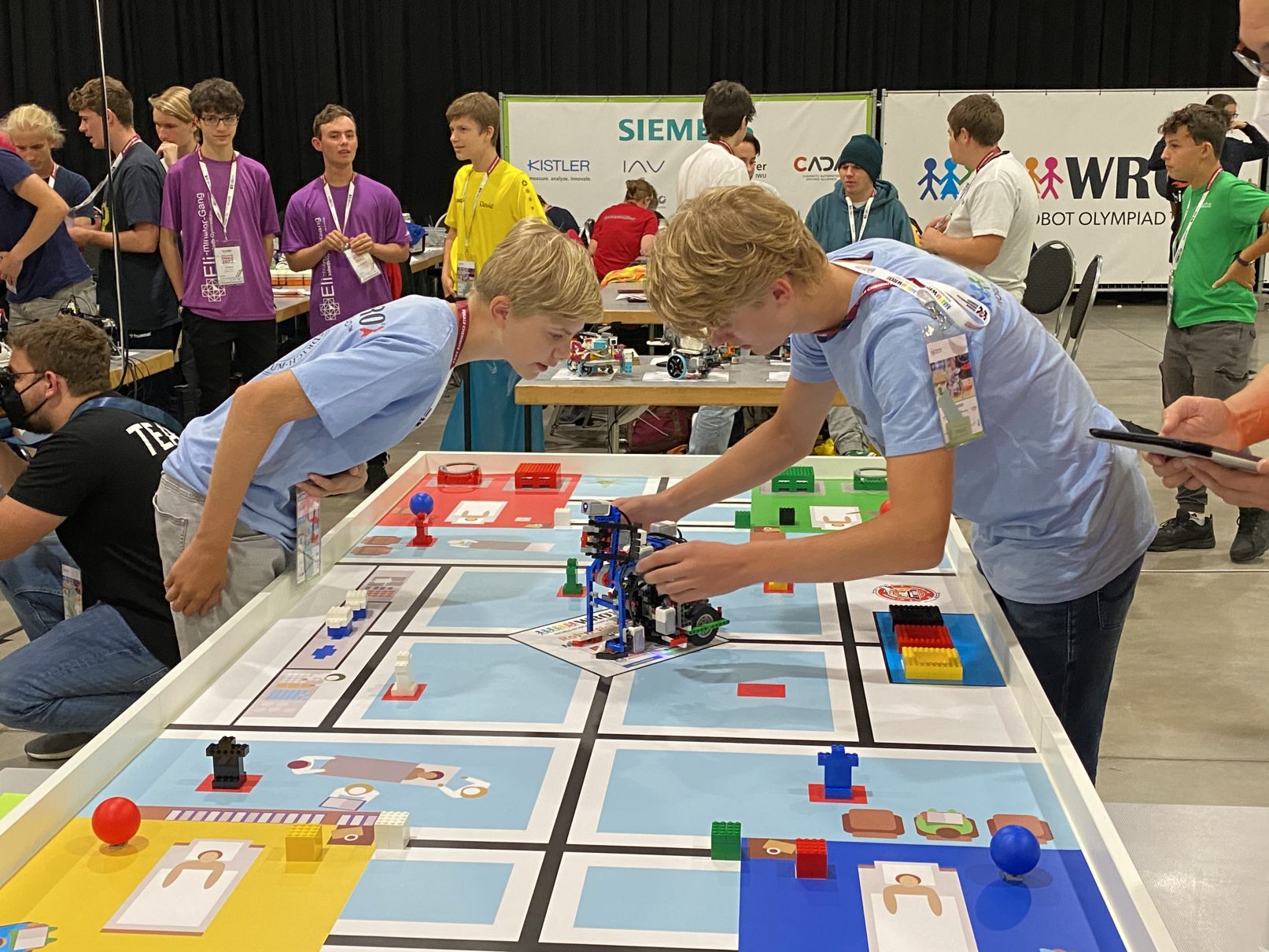
- International scope with national stages that lead to a global final.
- Age diverse categories, from elementary level to higher education.
- Themed challenges that change every year to keep problems fresh.
- Emphasis on teamwork, where groups design, assemble, and test robots together.
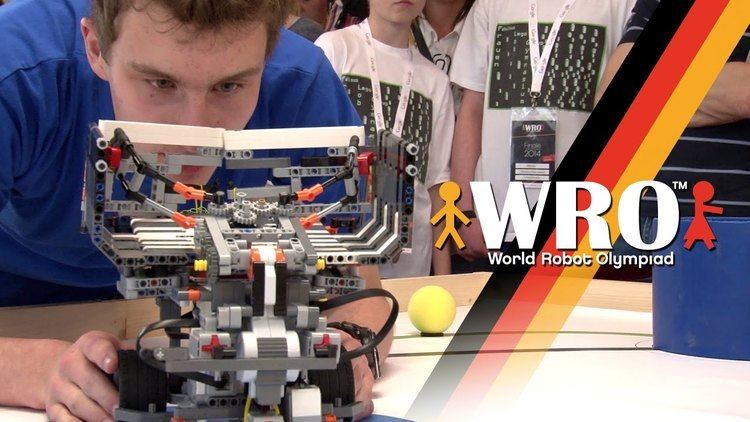
- Use of standard robotics platforms, often LEGO Mindstorms or similar kits.
- Judging criteria that reward strategy, reliability, and creative improvements.
- Opportunities for students to present their projects and discuss design choices.
How does World Robot Olympiad actually work in practice?
Understanding the flow of WRO can help teams prepare and compete more effectively, whether they are joining for fun or aiming for the international finals.
Season structure and regional contests
Each year, WRO announces a new challenge that defines the game field and the missions. National committees organize local and regional competitions, which act as qualifiers. Teams register, receive the official rules, and begin designing their robots. Coaches and mentors support students, but the young competitors are the ones making key decisions about construction and strategy.
From design to match day
During the build phase, teams prototype, test, and refine their robots. They learn how sensors, motors, and control algorithms behave on the game mat. On competition day, matches are timed, and robots must start from a designated base area. Teams watch, take notes, and adjust between rounds, balancing speed with reliability. Sportsmanship and reflection are as important as the scoreboard, because judges often ask teams to explain their choices.
What are the different competition categories in World Robot Olympiad?
WRO offers several tracks so that different interests and skill levels can find a suitable challenge.
Regular category
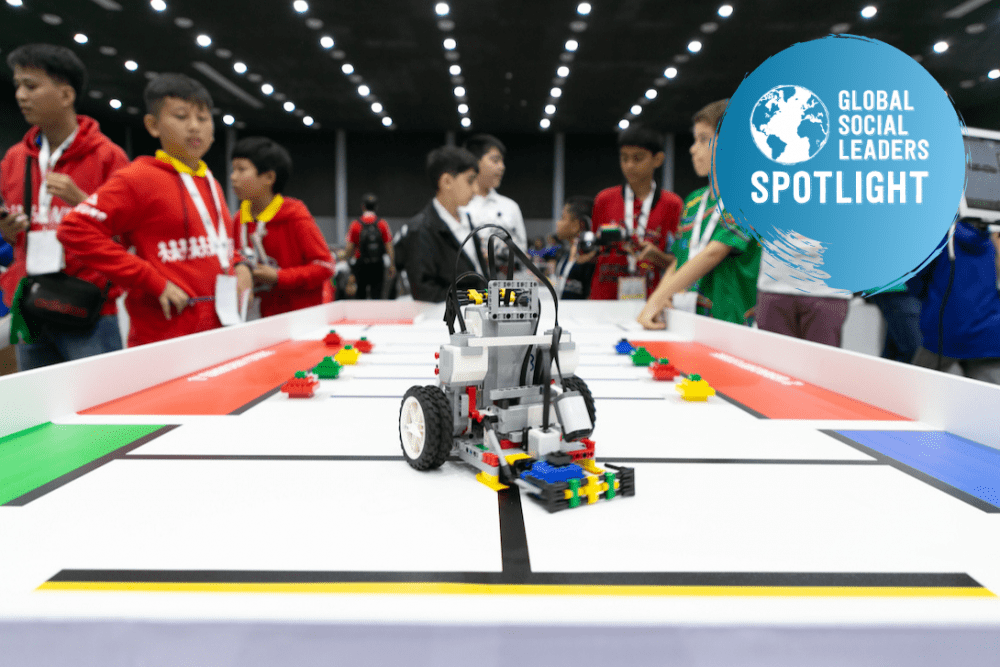
In the Regular category, school aged teams complete a series of missions on a themed playing field. Success depends on precise movements, clever use of sensors, and consistent robot behavior.
Football category
The WRO Football competition focuses on a robot soccer match where two teams compete on a smaller field. Here, strategy, ball handling, and quick reactions come into play, much like a real game of soccer.
Open category
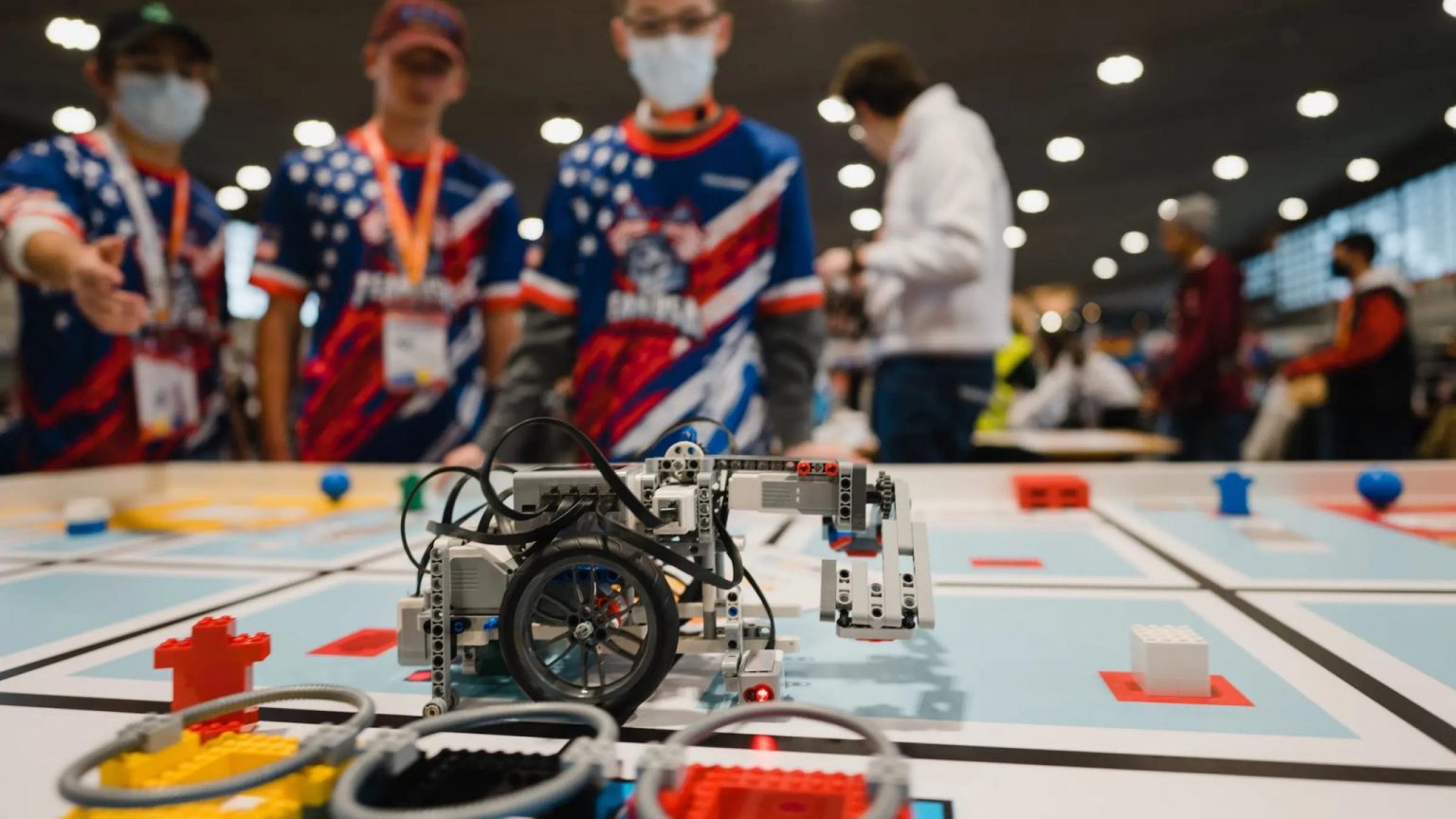
For those who want to explore beyond standard kits, the Open category invites innovative projects that still relate to the annual theme. Teams here often experiment with new materials, advanced sensors, or unique mechanisms.
What skills do participants develop through World Robot Olympiad?
Beyond the obvious technical abilities, WRO nurtures a wide range of competencies that are valuable in school, future careers, and everyday life.
- Problem solving as teams break down complex missions into manageable steps.
- Programming logic when they translate ideas into code that the robot can follow.
- Mechanical design as they build structures that are both strong and efficient.
- Collaboration as group members negotiate roles and share responsibilities.
- Communication when they explain their project to judges and audiences.
- Resilience as they learn from failures and refine their robots between rounds.
How can schools and communities get involved with World Robot Olympiad?
Getting started with WRO is often easier than many educators and parents expect, especially when local organizers provide clear guidance.
- Check for an official WRO national organization in your region to find rules and registration dates.
- Form a team of students, assign roles such as builder, programmer, and presenter.
- Choose a robotics platform that fits your budget and technical comfort level.
- Set up a practice area at school or in a community center with a simple mat to test missions.
- Schedule regular meetings where students can prototype, document, and reflect on their progress.
- Invite mentors from local tech companies or universities to share expertise and encouragement.
What does the journey from local to global finals look like?
For many teams, the dream is to reach the international WRO finals, where young innovators from around the world gather. The path usually starts with enthusiasm at school, grows through strong regional results, and matures through disciplined preparation. Teams that make it to the finals often speak about friendships, cultural exchange, and the thrill of seeing their robot perform on an international stage. Coaches highlight how these experiences shape confidence, curiosity, and a lasting interest in technology.
What is the future of World Robot Olympiad?
As technology evolves, WRO continues to adapt by introducing new themes, updated hardware options, and broader participation opportunities. Organizers focus on inclusion, ensuring that students from diverse backgrounds can join and contribute. The competition also aligns with global conversations about creativity, sustainability, and responsible use of robotics. By inspiring the next generation to think critically and work together, World Robot Olympiad is helping to build a future where technology serves society in positive and imaginative ways.
World Robot Olympiad FAQ
- Who can participate in World Robot Olympiad? Students of various ages can join, with categories tailored for schools, colleges, and sometimes younger enthusiasts.
- Do I need advanced programming skills to join? Not at all. Beginners can start with block based coding and gradually move to more advanced languages as they gain confidence.
- What equipment is required for a team? Many teams use popular robotics kits, but the exact requirements depend on the category and the annual challenge.
- How are teams judged in WRO competitions? Judges evaluate robot performance, strategy, teamwork, presentation, and adherence to rules, balancing technical results with creative effort.
- Can individuals participate, or must it always be a team? WRO is designed for teams, encouraging collaboration, though some national programs may offer individual support materials.
