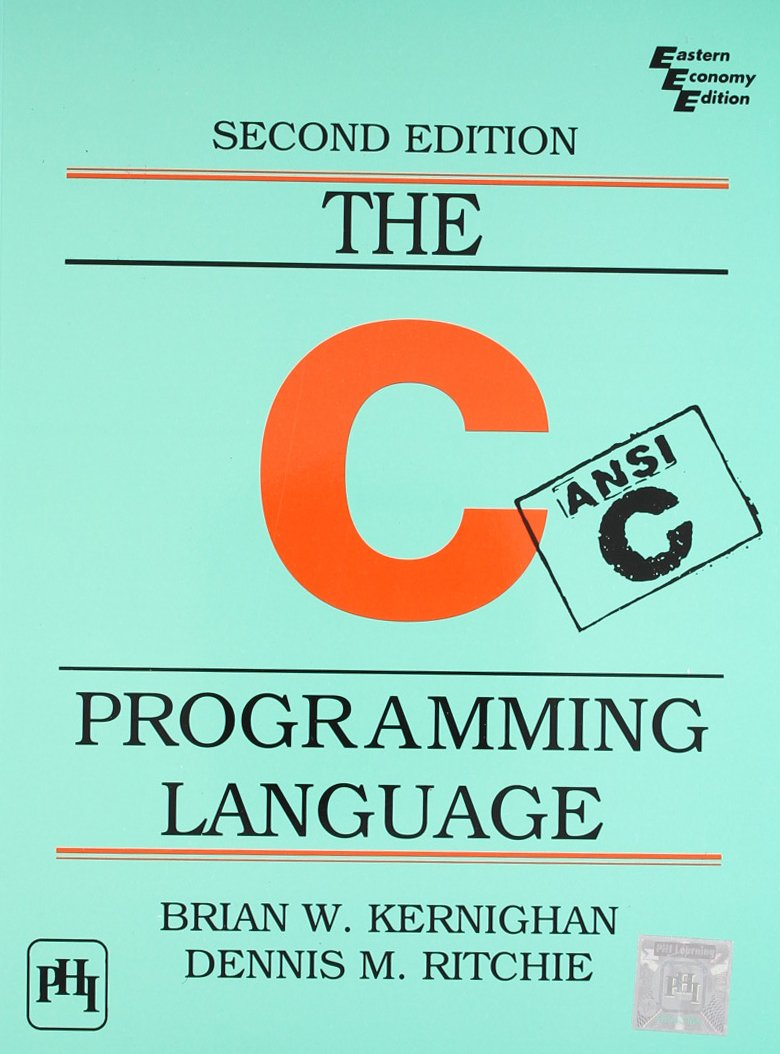
The C Programming Language Dennis Ritchie

When people talk about the foundations of modern computing, the name Dennis Ritchie appears again and again. He is the creator of the C programming language, a tool that quietly powers operating systems, embedded devices, and countless pieces of software we use every day. Understanding Dennis Ritchie and his work helps you see how so much of the digital world is built on a few powerful, elegant ideas.
the man behind the language
Dennis Ritchie worked at Bell Labs in the late 1960s and early 1970s, a place buzzing with innovation. At the time, programming was often tied to specific hardware, and writing software that could run on different machines was difficult. Ritchie set out to change that by designing a language that was both close to the hardware and expressive enough for complex systems. His goal was not just to solve a technical problem, but to give other developers a tool that was reliable, efficient, and pleasant to use. The result was a language that would outlive the computers of his time and become a cornerstone of software engineering.
why c matters in modern computing
The C programming language feels surprisingly close to the machine, yet it is abstract enough to be portable across many platforms. This balance is why so many core systems are still written in C today. When your operating system starts, when a database handles millions of requests, or when a game console runs a complex title, there is a good chance that C is involved behind the scenes. The language gives you direct control over memory and performance, which is essential for systems where resources are limited or where every millisecond counts. At the same time, the syntax is clean and minimal, making it a great foundation for learning how computers actually work.
the design principles of c
Ritchie focused on a few core ideas that shaped the character of C. He believed in simplicity, trusting the programmer to make decisions, and providing a small set of powerful building blocks. Instead of hiding complexity, C exposes low-level operations like pointers and manual memory management, which can be challenging but also incredibly empowering. This approach influenced many later languages, from C++ to Java and beyond. By keeping the language small and well-defined, Ritchie made it easier to write compilers, optimize code, and port the language to new architectures. The result is a tool that feels honest and transparent, even if it requires discipline to use well.
c and the unix operating system
One of the most important partnerships in computing history is C and Unix. Before C, operating systems were often written in assembly language, tied tightly to a particular machine. Ritchie and his colleagues rewrote Unix in C, which allowed the operating system to move to different hardware platforms more easily. This decision helped Unix spread across universities, research labs, and eventually the commercial world. The combination of a portable language and a flexible operating system created a powerful platform for experimentation and innovation. Even today, the influence of that partnership can be seen in Linux, macOS, and countless other systems that treat C as a primary implementation language.
learning c today
If you are new to programming, starting with the C programming language might seem intimidating, but it can be a deeply rewarding experience. You learn how variables, memory, and control flow actually work, rather than relying on layers of abstraction. Writing your first C program, managing your own memory, and debugging pointer errors teaches patience and precision. Many computer science curricula still use C because it forces you to think like a computer. Once you understand C, picking up higher-level languages becomes much easier, since you already grasp concepts like memory layout and performance tradeoffs.

the lasting legacy of dennis ritchie
Dennis Ritchie passed away in 2011, but his work continues to shape the field every single day. The C programming language remains widely used, not because it is fashionable, but because it solves real problems efficiently. Ritchie’s emphasis on clarity, performance, and trust in the programmer has influenced generations of languages and tools. When you write code in C today, you are working with a design that has stood the test of time. His legacy is not just a language, but a way of thinking about software that values control, reliability, and simplicity.
c in the ecosystem of modern languages
Although newer languages have appeared, many of them still borrow ideas directly from C. Concepts like loops, functions, and manual memory management trace their lineage back to Ritchie’s design. Even languages that hide these details from the developer often rely on C or C-like runtimes to interact with the operating system. Compilers, virtual machines, and interpreters for languages like Python, Ruby, and Go are frequently written in C because it offers a good balance of performance and portability. By learning C, you gain a clearer understanding of how those higher-level tools actually work under the hood.
summary of key points
- Dennis Ritchie created the C programming language while working at Bell Labs, shaping the foundations of modern software.
- C strikes a balance between low-level control and high-level expressiveness, making it ideal for operating systems and performance-critical systems.
- The design of C emphasizes simplicity, transparency, and trust in the programmer, influencing many later languages.
- Learning C today helps you understand how computers work at a fundamental level, even if you eventually work in other languages.
- Dennis Ritchie’s legacy lives on in the countless systems that still rely on C, and in the design principles that continue to guide software engineering.
Together, C and Unix demonstrated how a portable language could enable a flexible and powerful computing environment.

common questions about c and dennis ritchie
Many developers wonder why a language from the 1970s still matters, and how someone like Dennis Ritchie could have such a lasting impact. The answers lie in the thoughtful tradeoffs built into the language and the way it supports both beginners and experts. By focusing on essential concepts without unnecessary complexity, C provides a stable platform that evolves slowly and carefully. For anyone interested in how software is really built, exploring the C programming language and the work of Dennis Ritchie remains one of the most valuable steps you can take.
C Programming Language | Brian Kernighan and Lex Fridman
He co-authored the C Programming Language with Dennis Ritchie (creator of C) and has written a lot of books on programming, ...
