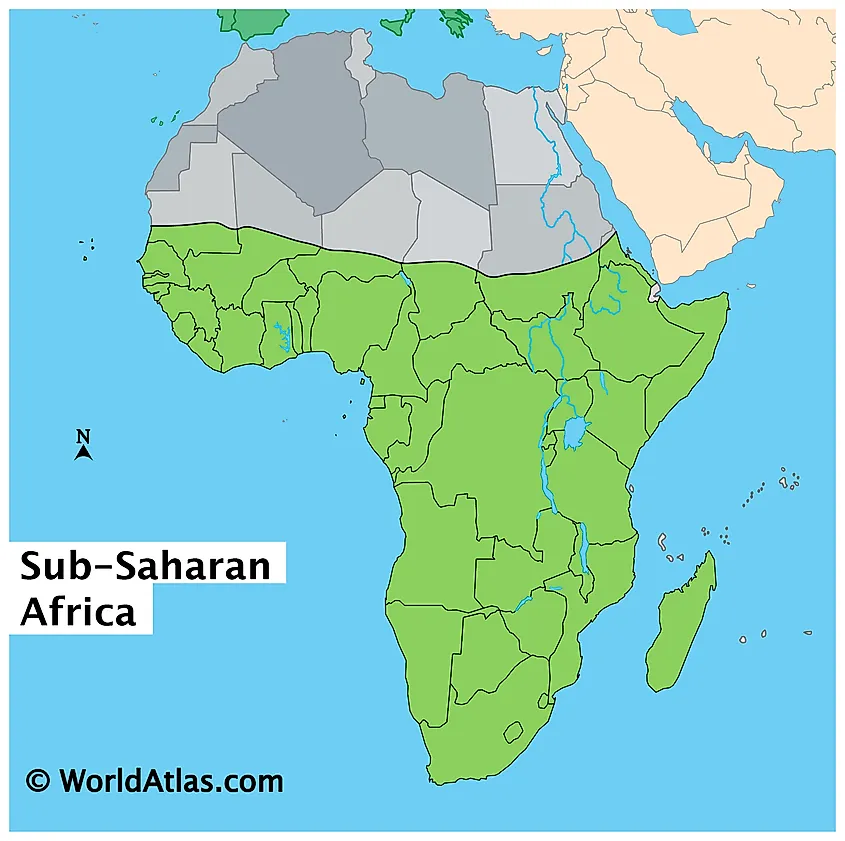
Sub-saharan Africa
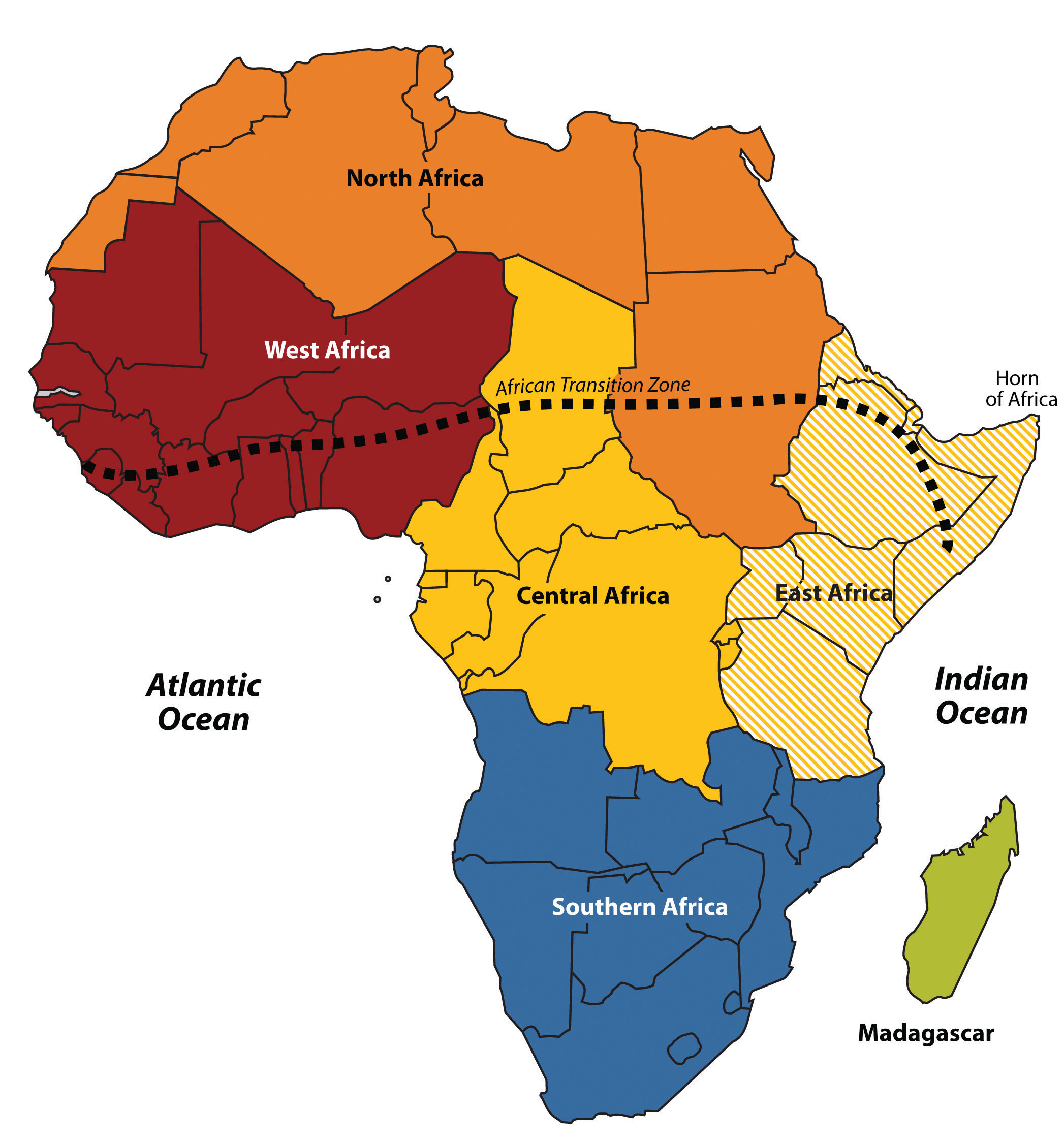
Sub-Saharan Africa denotes the vast region of the African continent located south of the Sahara Desert, a diverse and dynamic area home to hundreds of cultures, languages, and rapidly evolving economies. At its core, this region is defined by its geography, rich cultural heritage, complex history, and significant role in global development. It is a place of striking landscapes, from savannas and rainforests to deserts and coastlines, and it is increasingly recognized as a key growth engine on the world stage. Understanding Sub-Saharan Africa means looking at its unique characteristics, how it functions on local and global levels, and the real-life contexts that shape everyday experiences across its many nations.
Defining Sub-Saharan Africa
To grasp what Sub-Saharan Africa encompasses, it helps to break down its main attributes and the ways it operates as a distinct yet varied part of the world.
- Geographical scope: the area south of the Sahara Desert, including the Sahel as a transitional zone.
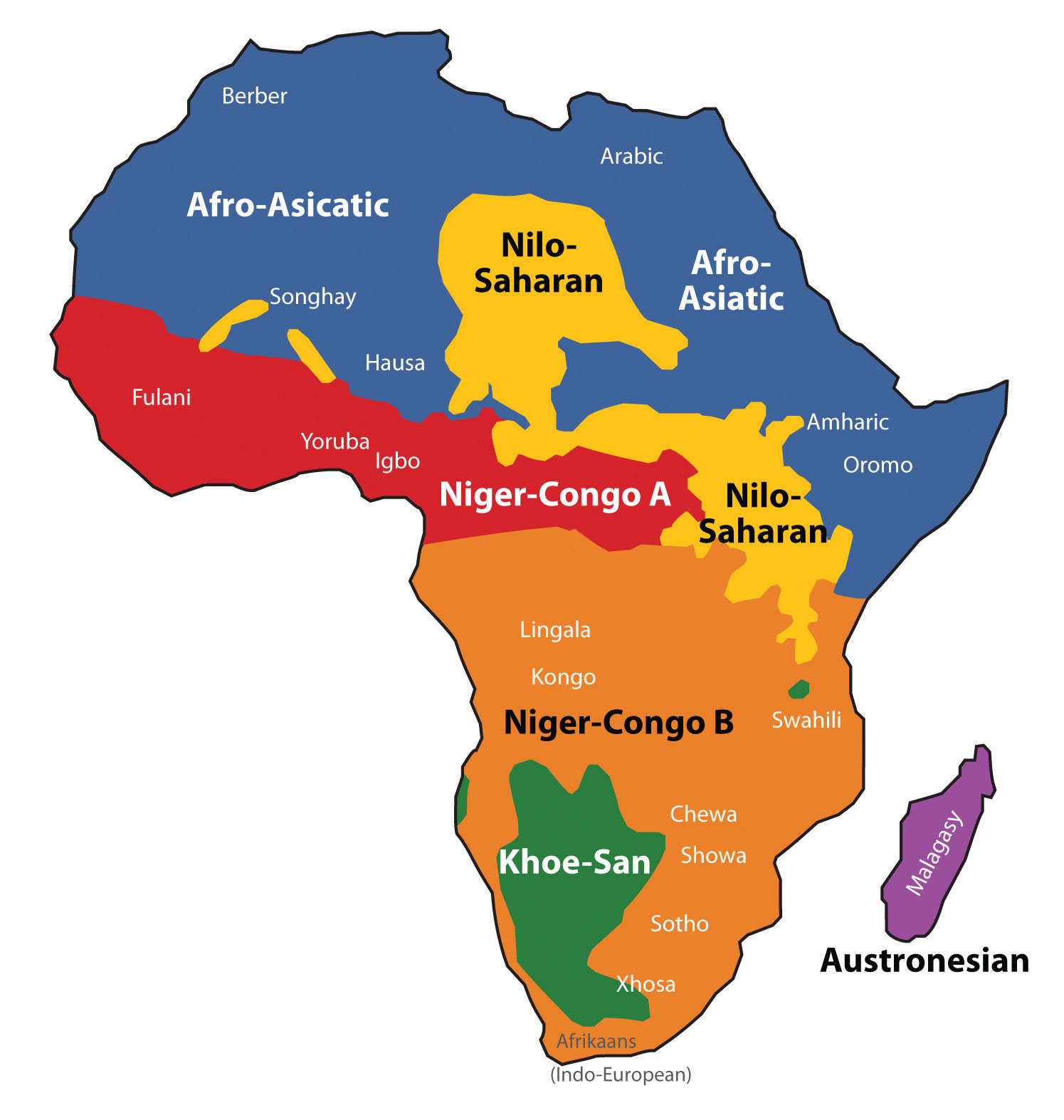
- Cultural and linguistic diversity: thousands of ethnic groups and languages, reflecting centuries of migration, trade, and interaction.
- Economic dynamism: a mix of agriculture, mining, services, and a growing tech and entrepreneurial landscape.
- Demographic trends: a young and increasingly urban population driving change and innovation.
- Global connections: deep historical ties to trade routes, colonialism, and today’s international partnerships.
How Sub-Saharan Africa Operates
Sub-Saharan Africa functions through a blend of traditional systems and modern institutions, shaped by both local choices and global forces. Governance structures vary widely, from stable democracies to regions facing conflict, and economic models range from agriculture-based livelihoods to emerging digital hubs. Infrastructure development, access to education and healthcare, and integration into global markets all influence how opportunities are created and shared across communities.
Trade and Connectivity
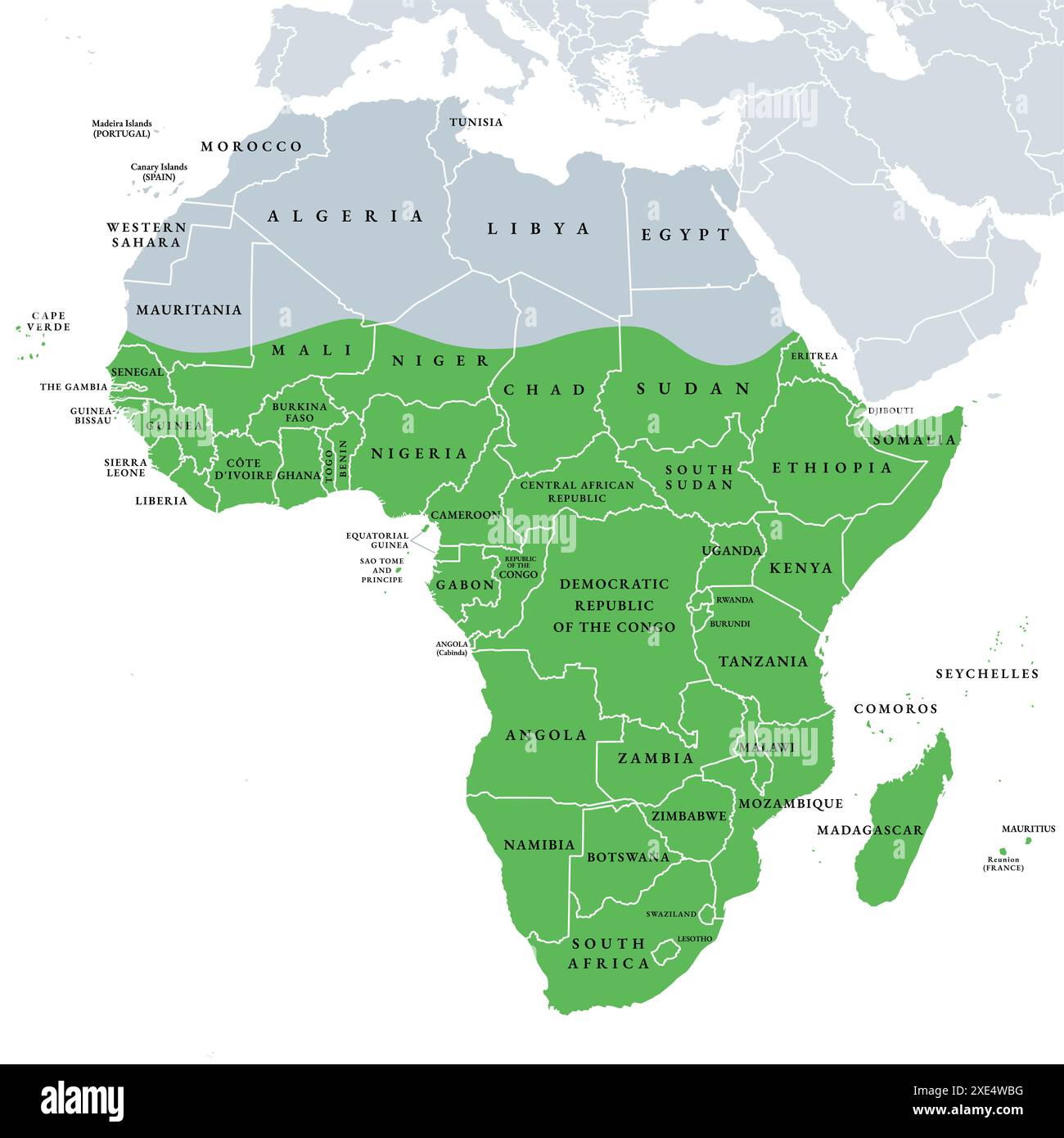
Trade has long been central to life in Sub-Saharan Africa, from ancient trans-Saharan routes to today’s ports and digital marketplaces. Regional economic communities work to ease cross-border movement of goods and people, while investments in transportation and digital networks aim to connect remote areas to broader value chains. Access to reliable energy and digital services is increasingly important for supporting businesses and improving daily life.
Social Fabric and Daily Life
Communities in Sub-Saharan Africa are often built around strong social ties, with family and local networks playing a central role in support and decision-making. Urban centers are expanding quickly, bringing new opportunities as well as challenges related to housing, services, and employment. Rural life remains vital for many, with agriculture and local enterprises forming the backbone of livelihoods in numerous areas.
Real-World Examples Across the Region
Looking at concrete cases helps illustrate the varied realities within Sub-Saharan Africa. In one country, a focus on mobile technology and banking has transformed how people manage money and access services. In another, efforts to strengthen education and health systems are improving outcomes for children and families. Meanwhile, cities are becoming hubs for innovation, with startups, cultural initiatives, and community projects addressing local needs while engaging with global audiences.
Innovation and Technology
Across major urban centers and smaller towns, entrepreneurs are leveraging digital tools to create solutions in finance, health, agriculture, and logistics. Mobile platforms, fintech services, and local content creation are reshaping how information and opportunities flow, often bypassing traditional infrastructure gaps.
Cultural Expression and Media
Music, film, literature, and art from Sub-Saharan Africa are gaining wider recognition, showcasing the region’s creativity and diverse perspectives. These forms of expression not only reflect local stories but also contribute to global conversations and cultural exchange.
Summary of Key Points
- Sub-Saharan Africa is the region of Africa south of the Sahara, marked by rich geographical and cultural variety.
- Its characteristics include a young population, ongoing urbanization, and a blend of traditional and modern economic activities.
- Functioning through a combination of local governance, trade networks, and evolving infrastructure, it is increasingly connected globally.
- Real-world examples highlight innovation in technology, growing urban centers, and vibrant cultural contributions.
- Understanding this region involves recognizing both its challenges and its significant potential for growth and collaboration.
Perguntas frequentes
O que define a Sub-Saharan Africa em termos geográficos?
Sub-Saharan Africa inclui todos os países localizados ao sul do deserto do Saara, abrangendo uma ampla gama de paisagens, desde savanas e florestas até regiões áridas e costeiras.

Quais são os principais setores econômicos na Sub-Saharan Africa?
Os principais setores incluem agricultura, mineração, serviços emergentes, tecnologia móvel e fintech, além de iniciativas crescentes em energia renovável e empreendedorismo local.
Como a cultura local molda a vida no Sub-Saharan Africa?
A cultura local, com suas diversas etnias, línguas e tradições, influencia fortemente as redes sociais, os sistemas de apoio comunitário e as expressões artísticas, desempenhando um papel central na identidade diária.
Quais são os desafios mais comuns enfrentados na região?
Entre os desafios estão a infraestrutura em desenvolvimento, acesso desigual a educação e saúde, governança variável e a necessidade de expandir oportunidades de emprego para uma população jovem.