O The Kidney Project

o the kidney project is an ambitious biomedical initiative that aims to build a bioartificial kidney to support patients with kidney failure, using living cells and advanced filtration technologies.
Kidneys filter waste and excess fluid from the blood, but when they fail, people face serious health risks and complex treatments. o the kidney project responds to this challenge by combining biology and engineering to create a safer, more sustainable alternative to dialysis and transplantation. This effort stands out thanks to its focus on biocompatibility, scalability, and long-term reliability for people with chronic kidney disease.
Core goals of o the kidney project
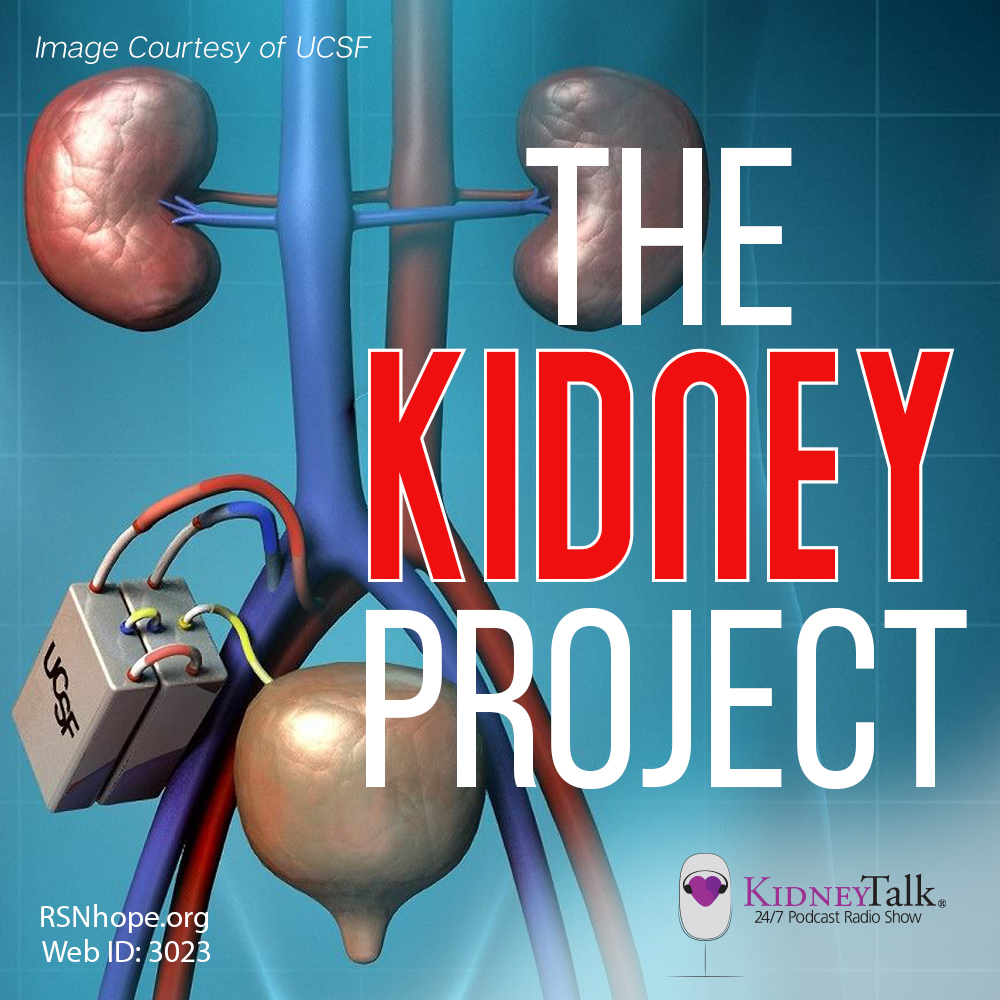
The central aim of o the kidney project is to design a wearable or implantable device that can continuously cleanse the blood without external pumps whenever possible. Researchers prioritize material safety, energy efficiency, and patient comfort, so that treatment can be discreet and convenient.

- Replace or support failing kidneys with living cells that perform natural filtration.
- Reduce dependence on immunosuppressive drugs compared with transplants.
- Integrate smart monitoring to respond in real time to changes in blood chemistry.
How the technology works
At the heart of o the kidney project are microfluidic channels and selectively permeable membranes that mimic the kidney’s filtering units, called nephrons. Hollow fiber membranes allow blood cells and large proteins to remain inside, while waste products and excess ions pass into a controlled fluid stream.
By coupling these membranes with cultured renal cells, the device can process fluid in a way that closely resembles healthy kidney function. Energy-efficient pumps and sensors help regulate flow, pressure, and chemical balance, making the system responsive to daily activities and varying health conditions.
Key scientific and engineering advances
Progress in o the kidney project relies on cutting-edge developments in biomaterials, cell culture techniques, and precision manufacturing. Scientists engineer surfaces that resist clotting and infection, while carefully arranging cells to maintain high filtration performance over time.

- Advanced polymers and ceramics provide stability and compatibility with blood.
- 3D printing and microfabrication allow precise control of channel sizes and structures.
- Data from embedded sensors support adaptive control, improving efficiency and safety.
Potential benefits for patients
If successfully deployed, o the kidney project could give people with kidney failure greater independence and a higher quality of life. Continuous, gentle filtration may reduce the ups and downs of dialysis, while avoiding the need for major surgery or lifelong immune suppression.
By integrating into daily routines more smoothly, the device could open up new possibilities for work, travel, and social life, turning kidney support from a disruptive hospital routine into a manageable part of everyday health care.
Current challenges and research focus
Developing a reliable bioartificial kidney involves overcoming biological, technical, and regulatory hurdles. Teams working on o the kidney project must ensure that cells survive long term, that membranes resist clogging, and that the system remains safe inside the human body.
- Long-term biocompatibility and resistance to infection.
- Scalable manufacturing that keeps costs within healthcare budgets.
- Clinical trials to prove safety and effectiveness across diverse patient groups.
Future outlook and collaboration
The future of o the kidney project depends on collaboration among clinicians, engineers, biologists, and patient communities. By sharing data, refining prototypes, and aligning with regulatory standards, researchers aim to move from experimental models toward widely accessible treatments.
As innovation accelerates, people affected by kidney disease may soon see new options that blend technology with biology, offering hope for more stable, less invasive kidney support in the years ahead.
Perguntas frequentes
O que é o o the kidney project?
Trata-se de uma iniciativa de pesquisa que desenvolve um rim bioartificial para substituir ou ajudar rins em falência, usando células vivas e tecnologias de filtração avançada.

Quais são os principais benefícios em relação à diálise tradicional?
O objetivo é oferecer uma filtração contínua, menos invasiva, com melhor qualidade de vida e menor necessidade de hospitalizações, tudo de forma mais discreta e autônoma.
O projeto está disponível para pacientes hoje?
Não, ainda está em desenvolvimento e em fase de testes clínicos, mas representa uma direção promissora para o futuro do tratamento renal.
Quais desafios técnicos permanecem?
Os principais desafios incluem garantir biocompatibilidade de longo prazo, evitar infecções e obstruções, além de escalar a produção de forma segura e acessível.
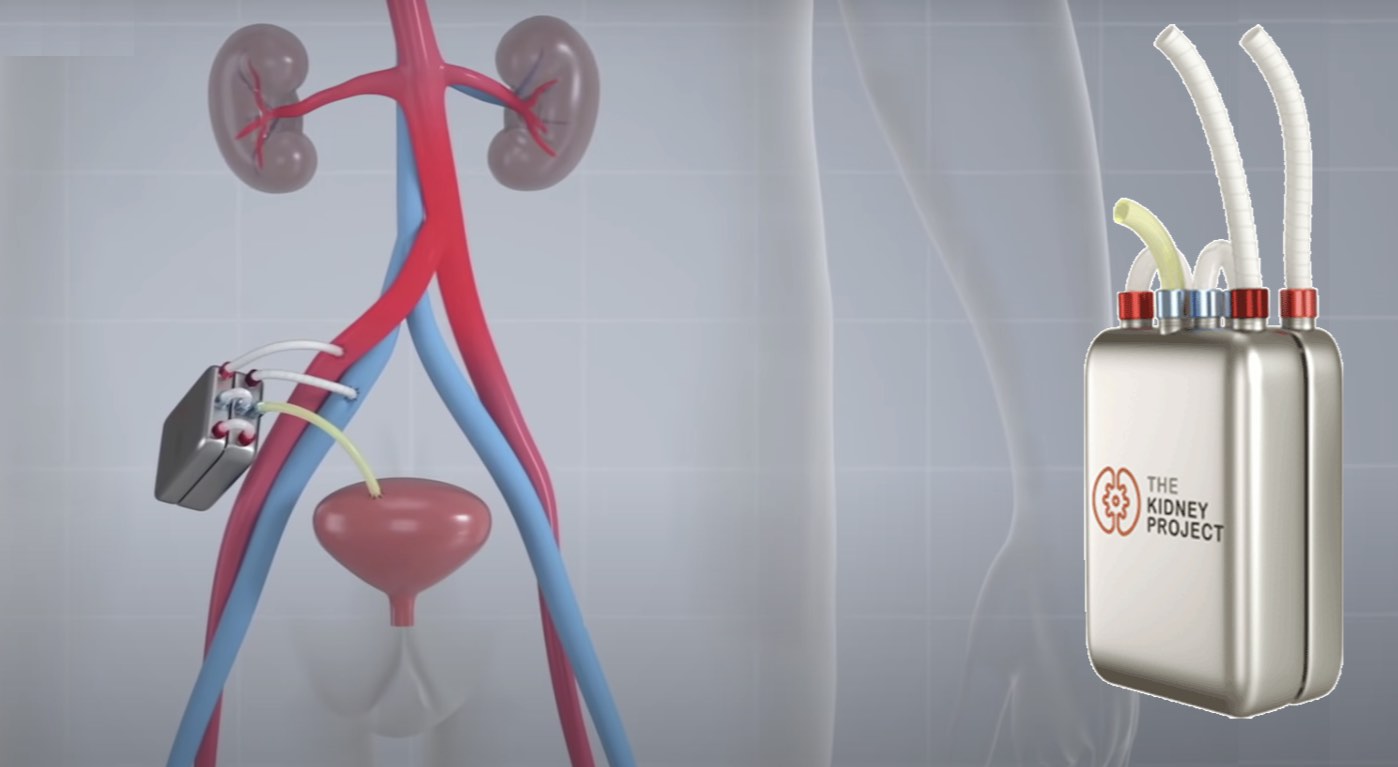
O “THE KIDNEY PROJECT” É UM PROJETO REALIZADO POR CIENTISTAS QUE PRETENDEM (...) | SISTEMA EXCRETOR
Melhore sua nota na escola ou garanta sua aprovação no vestibular pagando R$ 1,33 por dia. Seja aluno Explicaê Premium e ...
