No Man Is An Island
definition-and-core-meaning
No man is an island is a declarative statement that no human being exists in complete isolation; every person is intrinsically linked to others through relationships, responsibilities, and shared systems. This expression captures the interdependence of individuals within families, communities, cultures, and global networks, emphasizing that well-being, identity, and progress are co-created rather than solitary achievements. The phrase highlights both vulnerability and strength in connection.
- Human beings require social contact for emotional and physical survival.
- Actions and decisions generate ripple effects beyond the individual.
- Support systems and shared resources are essential for resilience.
- Cultural norms and institutions shape how interdependence is expressed.
- Modern life intensifies both dependence and opportunity for collaboration.
origin-and-literary-roots
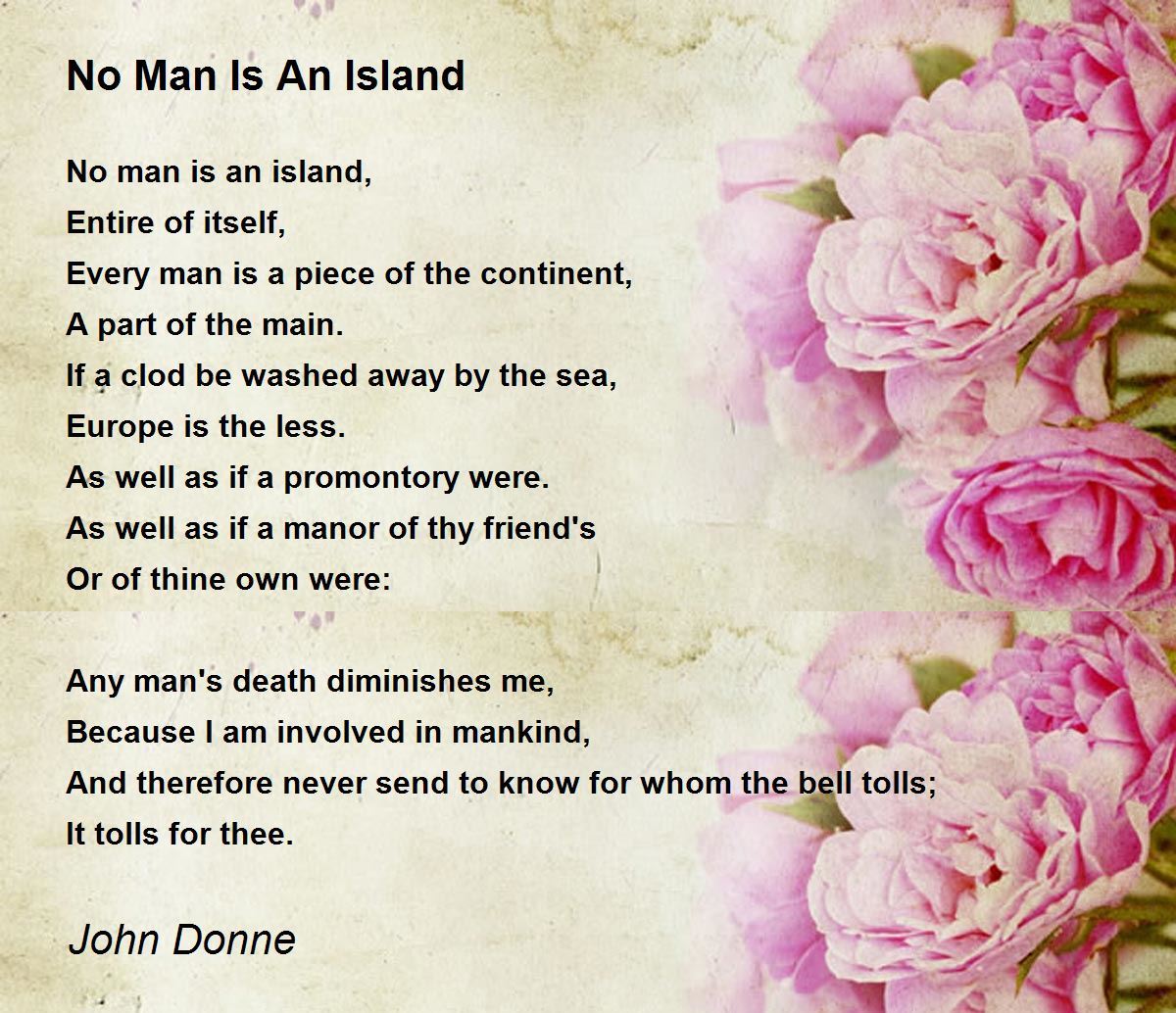
The idea behind no man is an island traces back to religious and philosophical traditions that long before modern psychology recognized the importance of community. John Donne’s 17th century meditation explicitly framed human existence as a unified whole, using the metaphor of landmasses and tides to describe how every person is part of a larger continent. Later writers and social theorists echoed this vision, adapting the concept to emerging understandings of society, economics, and collective responsibility.
- John Donne’s devotional prose presented the image of shared humanity.
- Enlightenment thinkers explored rights and duties within societies.
- Sociologists formalized concepts like social capital and collective efficacy.
- Indigenous and communal cultures reinforced similar worldviews through practice.
- Contemporary movements translate the insight into policies and programs.
psychological-dimensions
From a psychological standpoint, no man is an island underscores the necessity of attachment, belonging, and mutual recognition for mental health. Humans develop through relationships, and sustained isolation can erode self-esteem, emotional regulation, and cognitive function. Positive connections foster security, identity clarity, and motivation, while supportive networks help buffer stress and trauma.
- Secure attachments in early life shape relational patterns later on.
- Loneliness correlates with higher risks of anxiety and depression.
- Communities provide contexts for practicing empathy and communication.
- Collaborative environments enhance learning and problem-solving.
- Recognition and validation from others reinforce a coherent sense of self.
social-structures-and-institutions
Social structures such as families, schools, workplaces, and governments illustrate no man is an island by organizing interdependence into roles, norms, and institutions. These systems coordinate resources, distribute responsibilities, and create shared narratives that guide behavior. When institutions function inclusively, they enable individuals to contribute meaningfully and access support; when they are inequitable, the costs of fragmentation are borne collectively.
- Families transmit values, care, and practical assistance across generations.
- Educational institutions cultivate knowledge and skills through interaction.
- Workplaces link effort to collective production and economic exchange.
- Local organizations mobilize neighbors around common concerns.
- Global networks address challenges that transcend borders.
practical-ways-to-embrace-interdependence
Understanding that no man is an island invites intentional practices that strengthen connection and shared responsibility. Individuals can nurture relationships, participate in community initiatives, and align personal goals with the well-being of others. Systems can be designed to encourage cooperation, transparency, and mutual support, ensuring that interdependence feels empowering rather than constraining.
- Build reciprocal relationships through regular, genuine communication.
- Engage in local groups or projects that address shared interests or needs.
- Practice active listening and perspective-taking in conflict situations.
- Contribute skills or resources to community efforts without expecting immediate return.
- Advocate for policies that promote equity, inclusion, and collective resilience.
challenges-and-modern-realities
Contemporary life often presents tensions between the reality of no man is an island and the allure of individualism, digital distraction, and social fragmentation. Rapid urbanization, economic pressures, and technology can both connect and isolate people, creating communities that are wide yet shallow. Recognizing these challenges allows individuals and groups to design environments that honor both autonomy and belonging.

- Digital communication can expand reach but diminish depth of connection.
- Economic competition may discourage collaboration across groups.
- Urban mobility can weaken long-term neighborhood ties.
- Inequality and discrimination create barriers to genuine belonging.
- Environmental and public health crises reveal shared vulnerability and the need for coordinated response.
conclusion-and-future-outlook
No man is an island serves as a timeless reminder that human flourishing is inherently relational and systemic. By acknowledging interdependence, people can move beyond isolation toward practices and structures that foster solidarity, creativity, and care. As societies confront complex global challenges, the insight that individual well-being is tied to collective well-being becomes not only philosophical but practical, guiding policies and choices that build resilient, humane communities.
faq
- What does the phrase no man is an island mean in everyday life? It means that people rely on one another for support, identity, and opportunity, and that choices and actions affect others beyond oneself.
- How can someone overcome feelings of isolation while embracing interdependence? Building regular social routines, joining groups aligned with personal interests, seeking professional support when needed, and practicing vulnerability can help foster connection.
- Is the idea relevant in highly individualistic societies? Yes, recognizing interdependence can inform policies and cultural narratives that balance personal freedom with shared responsibility, reducing loneliness and increasing resilience.
- How does technology fit into the concept of no man is an island? Technology can strengthen ties across distance but also create superficial interactions; mindful use that deepens empathy and collaboration aligns with the insight of shared humanity.
- Can communities apply this principle to address collective challenges? Communities that emphasize cooperation, resource sharing, and inclusive decision-making are better equipped to respond to crises and sustain long-term well-being.
