Marie Antoinette France

Marie Antoinette France evokes a world of gilded courts, whispered scandals, and revolutionary upheaval. She stands as one of the most recognizable symbols of eighteenth century France, a queen whose life intertwined luxury, politics, and public outrage. Understanding her story means exploring the palace of Versailles, the shifting alliances of the monarchy, and the fierce debates about privilege and power that defined her era. This guide offers a deep look at who she was, how she lived, and why her legacy still fascinates us today.
Origins and arrival at Versailles
Born an archduchess of Austria in 1755, Marie Antoinette came from a family shaped by Enlightenment ideas and dynastic ambition. Her early years in Vienna, though privileged, were relatively informal compared to the rigid etiquette of the French court. In 1770, at just fourteen years old, she crossed the border into France to marry the grandson of Louis XV, the future Louis XVI. This marriage was a strategic alliance meant to strengthen ties between France and Austria, yet it also made her a visible emblem of foreign influence at Versailles. From the first procession to her new home, every detail of her appearance, from clothing to ceremony, was scrutinized by courtiers and the watching public.
Life inside the court of Versailles
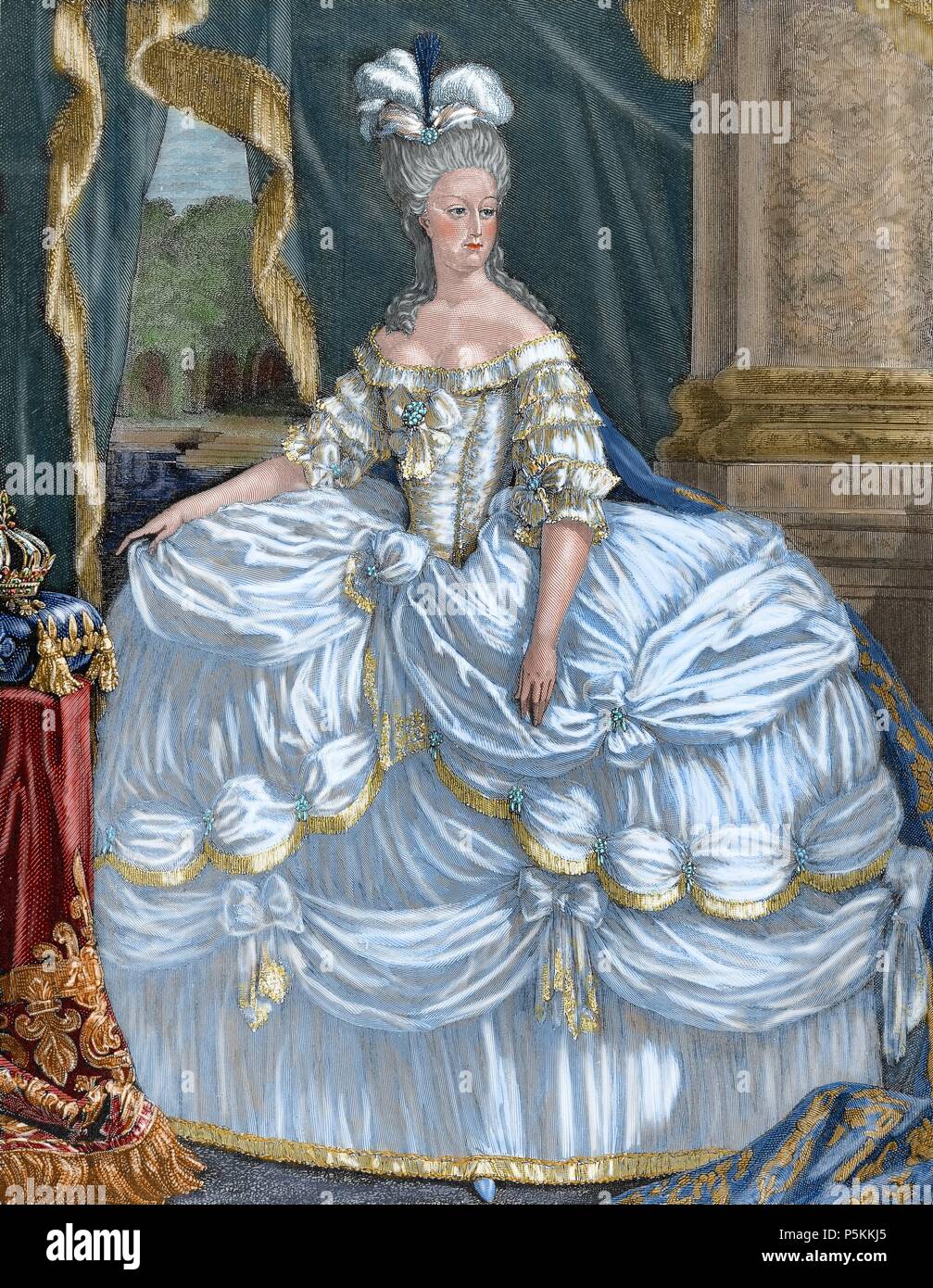
Versailles functioned as both residence and theater, a stage where the monarchy performed its power for an audience of nobles, diplomats, and servants. As queen, Marie Antoinette presided over elaborate rituals, from morning lever to evening divertissements. She participated in hunts, balls, and operas, balancing the expectations of a ceremonial role with her own tastes and friendships. Her circle included close companions such as the princesse de Lamballe and the duchesse de Polignac, relationships that drew criticism from those who saw her as too intimate with favorites. While some portraits emphasize her elegance and charm, others highlight the isolation she may have felt amid constant surveillance and gossip.
Scandals, image, and public perception
Rumors swirled around Marie Antoinette, magnified by pamphlets, caricatures, and partisan journalism. Stories of her lavish spending, her alleged reply to bread shortages, and her private life circulated widely, shaping a controversial image of a queen out of touch with the struggles of ordinary people. Political opponents used these narratives to question the monarchy itself, portraying the queen as a foreign manipulator whose influence corrupted the court. Yet many of the most famous quips attributed to her likely emerged later, transforming her into a symbol rather than a fully nuanced historical figure. The tension between her actual actions and the myths built around her reveals how powerful representation can be in times of crisis.
Fashion, arts, and cultural influence
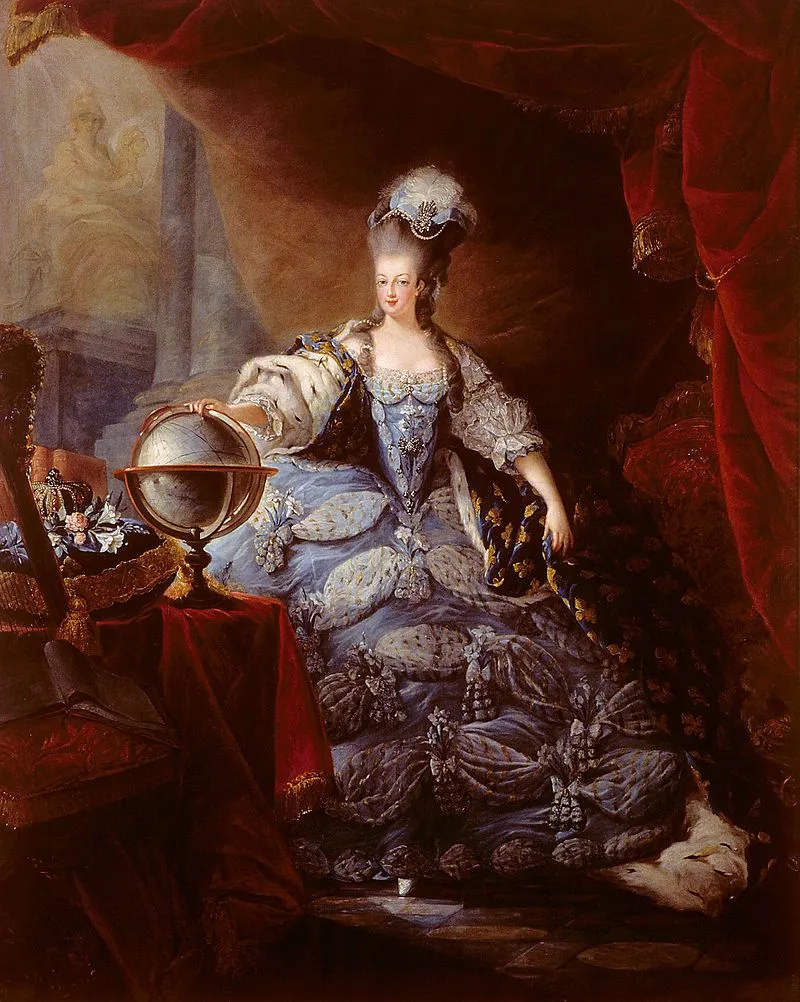
Marie Antoinette became a trendsetter in fashion and interior design, inspiring styles that rippled through aristocratic Europe. Her preference for pastoral fabrics, lace, and relaxed gowns, sometimes inspired by pastoral paintings, contrasted with the heavier court dress of earlier decades. At Versailles, she supported musicians, decorators, and craftsmen, contributing to a distinctive aesthetic that blended elegance with a hint of rustic charm. Artists captured her in portraits that range from formal majesty to playful intimacy, each version reflecting the desires of patron, painter, and viewer. Her interest in the arts helped sustain a creative environment in which new ideas about taste and comfort could flourish, even as political tensions grew.
Political involvement and the monarchy’s challenges
Beyond ceremonies and fashions, Marie Antoinette played a role in the political life of France, though her influence was often indirect and fiercely contested. She corresponded with allies abroad and listened to ministers who sought royal support for reforms. Some contemporaries blamed her for resisting necessary changes, arguing that her preference for tradition helped delay solutions to fiscal and social problems. Others viewed her as a convenient target for anger directed at the entire institution of monarchy. As financial crises deepened and calls for representation grew louder, her position became more precarious, caught between the expectations of the court and the demands of a changing society.
Revolution, trial, and enduring legacy
The French Revolution placed Marie Antoinette at the heart of a dramatic confrontation between old regimes and new aspirations. After the royal family’s failed flight and the fall of the monarchy, she was imprisoned, separated from her children, and ultimately brought before the Revolutionary Tribunal. Her trial was as much a public spectacle as a legal proceeding, with accusations presented in vivid detail before a restless crowd. In October 1793, she faced the guillotine, her death marking a turning point in the revolutionary narrative. Since then, interpretations of her life have shifted repeatedly, from villainess and victim to complex figure shaped by historical forces beyond her control, ensuring her continued presence in literature, art, and debate.
Key facts at a glance
- Full name: Marie Antoinette Josèphe Jeanne
- Born: 2 November 1755 in Vienna, Austria
- Married: Louis-Auguste, future Louis XVI of France, in 1770
- Role: Queen of France and Navarre from 1774 to 1792
- Children: Four live-born children, including Marie-Thérèse and Louis-Charles
- Death: 16 October 1793, executed by guillotine in Paris
- Cultural impact: Icon of fashion, court life, and revolutionary symbolism
Frequently asked questions about Marie Antoinette France
Many questions arise when studying Marie Antoinette France, from the accuracy of famous quotes to the realities of her daily life. Did she truly say let them eat cake, and what does that reveal about her relationship with the poor? How much power did she actually wield in a system that officially centered on the king? By examining historical documents, correspondence, and contemporary images, it becomes clear that she was both a product of her environment and a focal point for larger conflicts. Her story invites reflection on the responsibilities of leadership, the dangers of rumor, and the ways in which history remembers individuals long after their era has ended.
Marie Antoinette (2006) - I Want Candy Scene | Movieclips
Marie Antoinette - I Want Candy: Marie Antoinette (Kristen Dunst) buys dresses and wigs to cheer her up. BUY THE MOVIE: ...
