Kernighan And Ritchie The C Programming Language

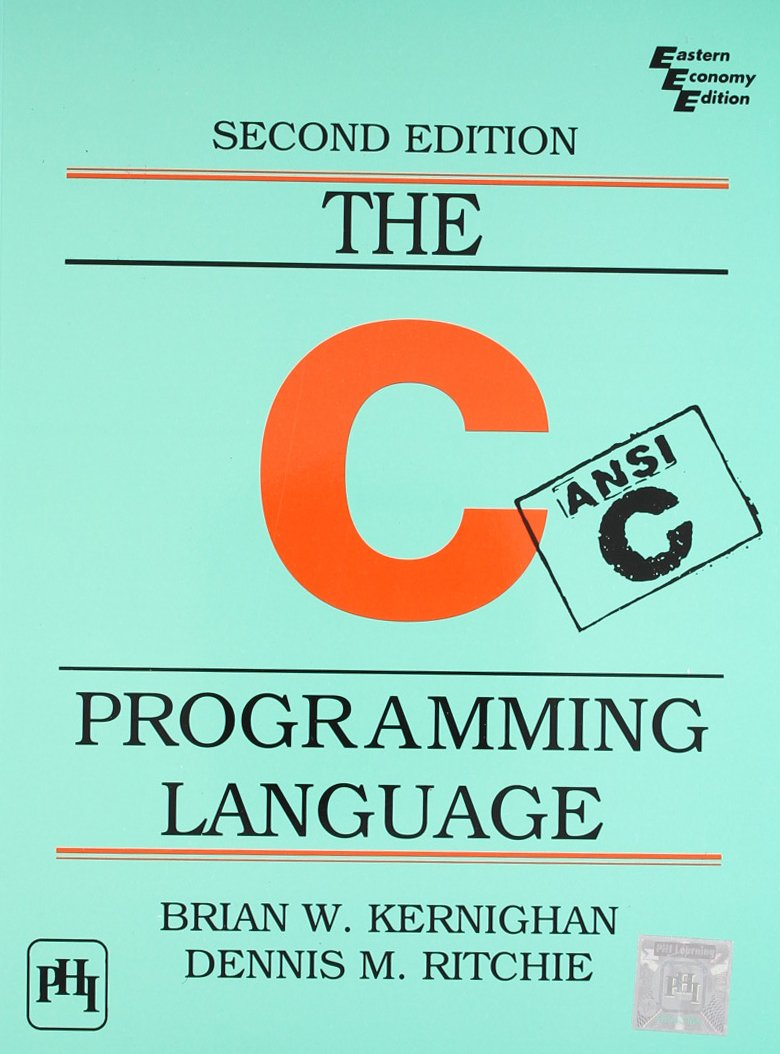
Kernighan and Ritchie The C Programming Language is the definitive reference and tutorial for the C programming language, coauthored by Brian Kernighan and Dennis Ritchie and first published in 1978. This book, often called K&R C, explains the design, syntax, and usage of C with clarity and precision, making it a cornerstone of computer science education and professional systems programming. The original edition introduced countless programmers to low-level memory manipulation, structured programming, and the Unix environment, establishing idioms and patterns that remain influential decades later.
Origins and Historical Impact
The origins of Kernighan and Ritchie The C Programming Language are rooted in the development of Unix at Bell Labs, where Dennis Ritchie created the C language to build portable, efficient system software. Brian Kernighan, a key contributor to Unix tools and the B language predecessor, collaborated with Ritchie to produce a coherent and rigorous specification of C. The book emerged as the authoritative guide at a time when C was rapidly spreading beyond Bell Labs, shaping operating systems, embedded devices, and foundational software infrastructure. Its concise presentation and practical focus helped standardize C across compilers and platforms, cementing its role as a lingua franca for systems programming.
Language Foundations and Syntax
Kernighan and Ritchie The C Programming Language systematically presents language fundamentals, including types, operators, expressions, control flow, and functions. The exposition emphasizes a small set of orthogonal rules that combine into powerful constructs, enabling programmers to write close-to-the-metal code with minimal overhead. Key topics include pointers and arrays, which are treated as central rather than advanced features, and structured programming constructs that encourage clear, maintainable logic. Early examples such as a calculator and a simple Unix utilities demonstrate how language elements fit together to solve concrete problems, establishing a learning path from syntax to idiomatic use.
Pointers, Arrays, and Memory Management
A defining characteristic of Kernighan and Ritchie The C Programming Language is its deep treatment of pointers and memory management. The book explains pointer arithmetic, indirection, and address computation with examples that clarify how arrays, strings, and data structures map to memory. Functions like malloc and free are introduced in context, showing how dynamic allocation can be controlled and combined with static and automatic storage durations. Through careful diagrams and incremental code samples, readers learn to reason about memory layout, avoid common pitfalls such as dangling references, and harness pointers to build efficient data structures like lists, trees, and graphs.
Standard Library and Unix System Interaction
The standard library and Unix system interaction receive extensive coverage in Kernighan and Ritchie The C Programming Language. Input and output, string manipulation, and the standard header facilities are presented as building blocks for robust programs. System calls for file access, process control, and error handling are illustrated through practical examples that integrate C with the Unix operating environment. This focus reinforces the book’s systems programming orientation and teaches readers how C programs interface with operating services, handle signals, and manage resources in real-world scenarios.
Design Philosophy and Enduring Principles
The design philosophy of Kernighan and Ritchie The C Programming Language centers on trust between the programmer and the language, favoring simplicity, expressiveness, and performance. C provides a small core of keywords and operators, which combine to enable sophisticated abstractions without imposing runtime overhead. The book advocates clear invariants, explicit memory management, and minimal runtime support, aligning with the Unix philosophy of composable, modular software. These principles have influenced subsequent languages such as C++, Java, and Rust, and they continue to guide the development of operating systems, compilers, and performance-critical applications.

Legacy, Variants, and Modern Relevance
The legacy of Kernighan and Ritchie The C Programming Language is evident in the continued use of C in embedded systems, operating system kernels, and performance-sensitive infrastructure. Later editions incorporated changes from the ANSI C and ISO C standards, aligning the language with evolving specifications while preserving the clarity of the original presentation. Variants and teaching editions have extended the book’s reach, and its examples remain a touchstone for learning and reference. Modern programmers benefit from K&R C not only as a historical artifact but as a practical foundation for understanding contemporary systems software and the design of lower-level languages.
Summary of Key Points
- Kernighan and Ritchie The C Programming Language is the classic book that defines C with authority and clarity.
- It originated from Unix development at Bell Labs and helped standardize systems programming.
- Core topics include types, operators, control flow, functions, pointers, and arrays.
- Pointers, memory management, and the standard library are explained through practical examples.
- The design philosophy emphasizes efficiency, simplicity, and direct interaction with system resources.
- The book’s influence persists in modern operating systems, embedded devices, and language design.
Frequently Asked Questions
Why is Kernighan and Ritchie The C Programming Language still relevant today?
The book remains relevant because it articulates the core principles of C with unmatched clarity, and the language continues to underpin performance-critical and resource-constrained software. Its examples and idioms form a common vocabulary for systems programmers, and understanding K&R C provides insight into many modern languages and platforms.
![The C Programming Language [B. Kernighan & D. Ritchie] - €34,90](https://www.teszilla.com/retroscoop/wp-content/uploads/71s4J3Eu9NL.jpg)
What prior programming experience is needed to read Kernighan and Ritchie The C Programming Language?
While beginners can learn from the book, some familiarity with basic programming concepts such as variables, loops, and functions is helpful. Readers new to low-level computing may benefit from supplementary material on computer architecture and memory models.
How does K&R C compare to later C standards and modern variants?
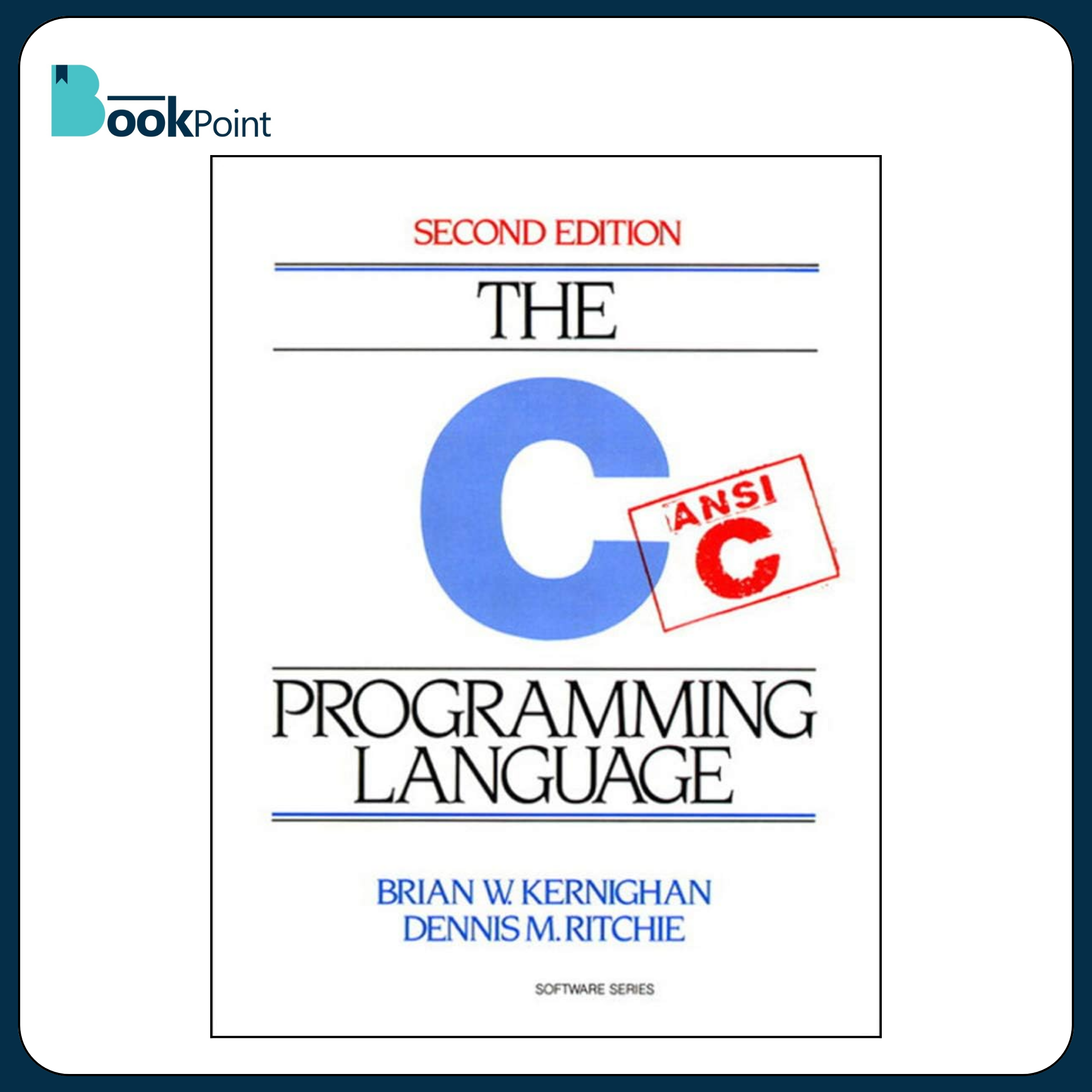
Kernighan and Ritchie The C Programming Language reflects the state of C in the late 1970s and early 1980s; later standards introduced new types, library functions, and type safety improvements. Modern C retains the concise design and power emphasized by K&R while addressing portability and safety concerns through standardized headers and stricter rules.
The C Programming Language by Kernighan and Ritchie - Unboxing / brief discussion about the contents
https://www.fds-controlsystems.com I just bought The C Programming Language by Kernighan and Ritchie. In this video I show ...
