Hominid Primates
Hominid primates are the primate group that includes modern humans, our extinct relatives, and the great apes such as chimpanzees, bonobos, gorillas, and orangutans.
what defines a hominid primate
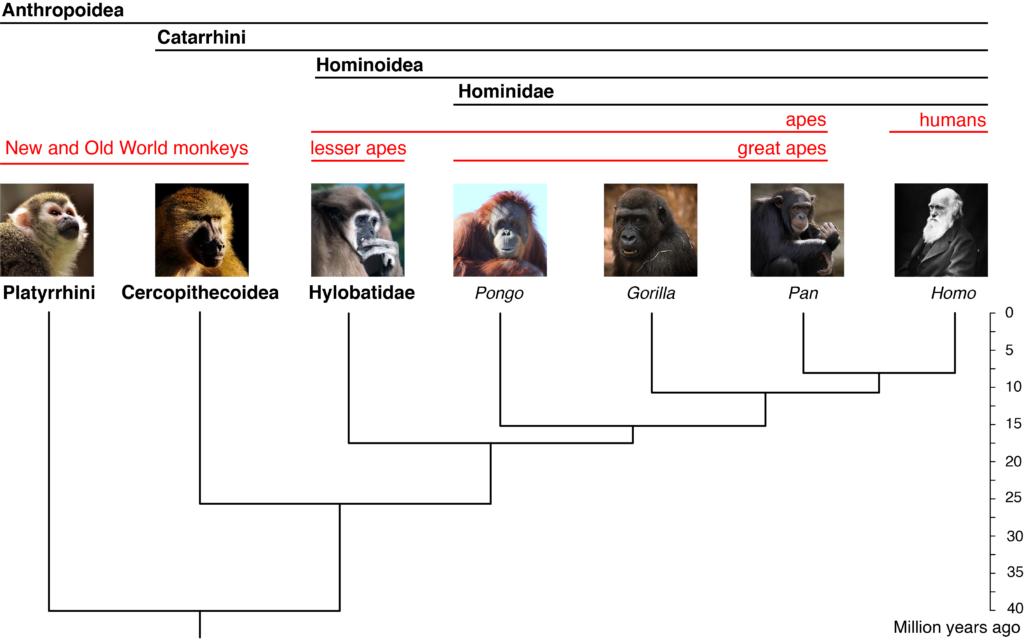
The term hominid primate refers to members of the biological family Hominidae, which sits within the larger order of primates. While all hominid primates are primates, not all primates are hominids. This family represents the branch of the tree of life closest to humans in both genetic and anatomical terms. Researchers study these species to understand how traits like intelligence, social behavior, and bipedalism evolved. In everyday language, people often use the phrase to mean the great apes and humans together, highlighting our shared heritage. The key is that these animals belong to a specific taxonomic family that sets them apart from other monkeys and smaller primates.
key physical characteristics
Hominid primates share a suite of physical traits that distinguish them from other primates. These features are visible in both living species and the fossil record of extinct relatives. Understanding these traits helps scientists classify specimens and trace evolutionary paths. Below are some of the most consistent characteristics observed across the group.

- Relatively large brains compared to body size, supporting complex cognition.
- Adaptations for climbing, including strong gripping hands and flexible shoulders.
- In many species, a reduced reliance on the sense of smell in favor of vision.
- Long gestation periods and extended periods of parental care.
- Social structures that range from solitary to complex communities.
how they move and behave
Locomotion in hominid primates varies significantly between species. Some are highly arboreal, spending most of their time in trees, while others are primarily ground dwellers. The way a hominid primate moves directly influences its anatomy, diet, and social interactions. For example, knuckle-walking is a distinctive form of locomotion seen in gorillas and chimpanzees, allowing them to move efficiently on the ground while keeping their hands usable for other tasks. In contrast, orangutans are more cautious climbers, moving slowly and deliberately through the canopy. Human bipedalism is unique in the group, freeing the hands for tool use and carrying objects.
diet and foraging strategies
Diet is another area where hominid primates show remarkable diversity. Their feeding habits are closely tied to their environment and physical adaptations. Some species are highly omnivorous, eating fruits, leaves, insects, and even meat, while others focus more on plant material. The digestive systems of these animals have evolved to process a wide range of food sources. Social feeding is also common, with individuals learning foraging techniques from others in their group. Food sharing and cooperation can be observed in chimpanzees and bonobos, suggesting deep evolutionary roots for these behaviors.
social structures and communication
Complex social lives are a hallmark of hominid primates. They live in groups that require negotiation, cooperation, and sometimes conflict resolution. Communication among these animals is multifaceted, involving vocalizations, facial expressions, gestures, and body postures. Each species has developed its own repertoire of signals to convey emotions and intentions. In great apes, long-term bonds between individuals are common, and some studies suggest elements of culture, where behaviors are passed down through observation. Understanding these dynamics provides insight into the evolutionary origins of human society.
major species and examples
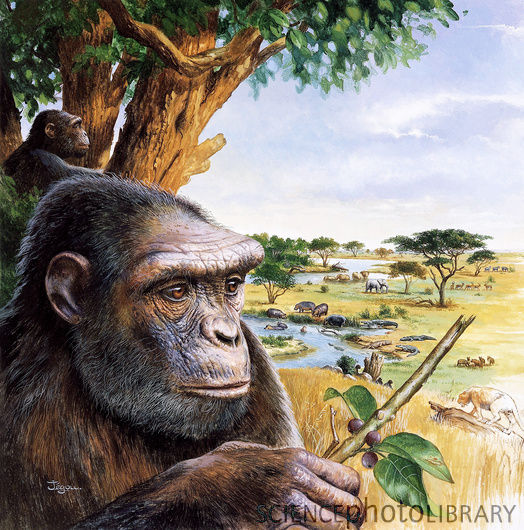
To recognize hominid primates in the real world, it helps to look at the most prominent examples. Each species offers a unique window into the variations within the family. Scientists categorize them into different genera based on distinct evolutionary paths. Observing these animals in the wild or in managed facilities reveals the incredible range of form and function within the family.
- Humans (Homo sapiens) are the only surviving members of the genus Homo.
- Chimpanzees (Pan troglodytes) are our closest living genetic relatives.
- Bonobos (Pan paniscus) are known for their peaceful and social nature.
- Gorillas (Gorilla gorilla and Gorilla beringei) are the largest of the living primates.
- Orangutans (Pongo pygmaeus and Pongo abelii) are native to the rainforests of Borneo and Sumatra.
fossil record and human evolution
The fossil record of hominid primates is one of the most storied in all of paleontology. It documents the gradual changes that led from ancient forest dwellers to modern humans. Researchers have uncovered bones that reveal shifts in skull shape, limb structure, and brain size over millions of years. These discoveries help us understand the specific environmental pressures that shaped our lineage. Famous specimens, such as Lucy (Australopithecus afarensis), provide tangible evidence of creatures that walked upright millions of years ago. The study of these fossils continues to refine the family tree of human ancestry.
conservation status and threats
Sadly, many hominid primates face serious threats in the modern world. Habitat loss due to agriculture, logging, and urban expansion is the primary danger they confront. Poaching and the illegal wildlife trade also put severe pressure on wild populations. Climate change is altering the environments these animals depend on for food and shelter. Conservation efforts focus on protecting forests, supporting local communities, and enforcing laws against hunting. The survival of these intelligent and complex animals depends heavily on the actions taken by humans today.
summary of key points
- Hominid primates are members of the family Hominidae, including humans, great apes, and their extinct relatives.
- They share distinct physical traits such as large brains, complex social behaviors, and advanced dexterity.
- Movement patterns range from knuckle-walking to human bipedalism, influencing anatomy and lifestyle.
- Diets are generally omnivorous, with significant variation across species and environments.
- Social structures are complex, involving communication, cooperation, and cultural transmission of behaviors.
- The group includes iconic species like chimpanzees, gorillas, orangutans, and humans.
- Fossil discoveries provide a detailed record of human evolution and anatomical changes over time.
- Conservation is critical, as habitat loss and human activity threaten many species with extinction.
common questions about hominid primates
Many people are curious about how these animals fit into the broader primate family and what makes them unique. The following questions address some of the most frequent points of interest. Finding clear answers helps demystify our closest relatives in the animal kingdom.
In short, hominid primates represent the pinnacle of primate evolution, showcasing the incredible potential of intelligence, social complexity, and adaptability. By studying them, we not only learn about our fellow species but also gain a deeper understanding of our own origins and responsibilities.
Primates- What is a Primate?
Monkeys, Apes, Humans.....we're all part of the same order of mammals called the Primates. This video explains what makes a ...
