Fabaceae Leguminosae Family
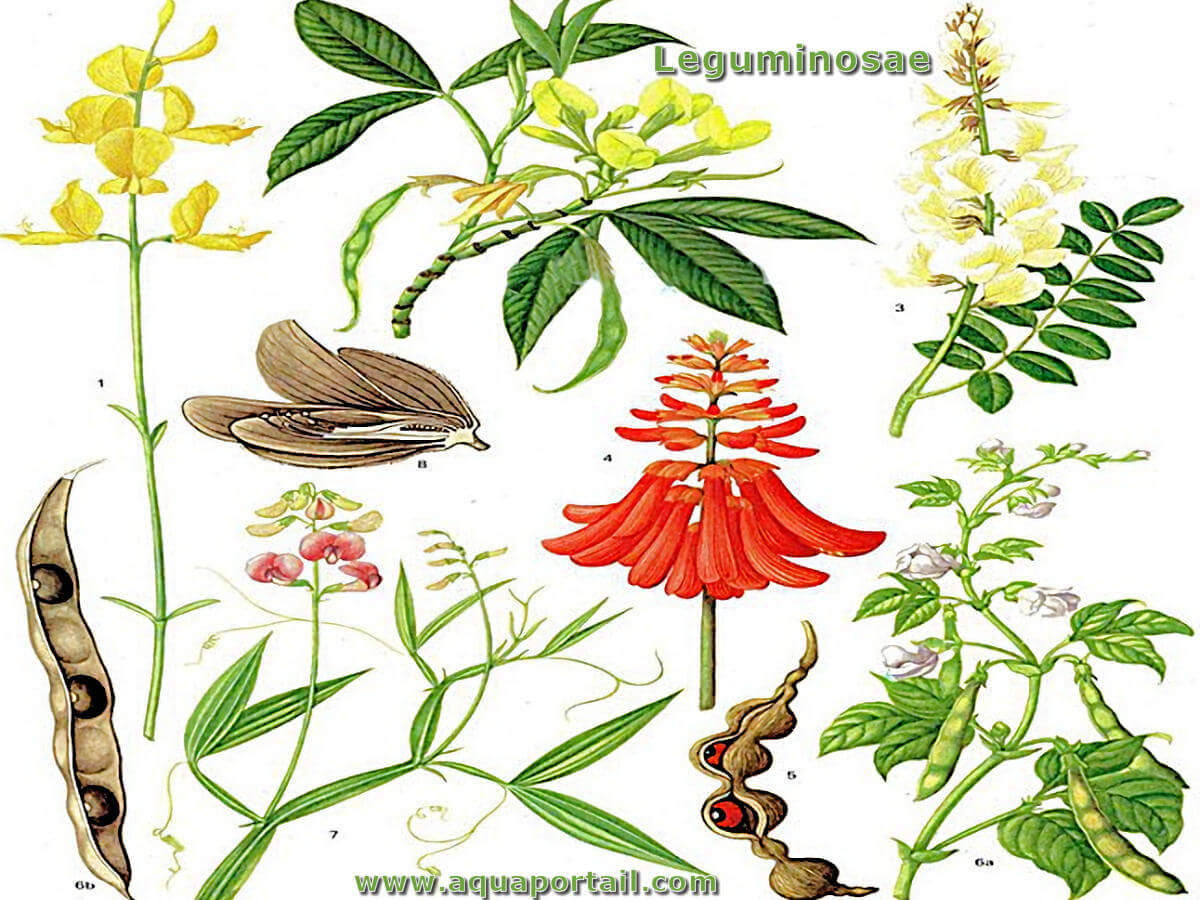
Fabaceae Leguminosae family is a large and economically important family of flowering plants commonly known as the legume, pulse, or bean family. This family belongs to the order Fabales and includes trees, shrubs, vines, and herbaceous plants that play a vital role in ecosystems, agriculture, and human nutrition worldwide. The members of this family are characterized by their distinctive fruit, which is a pod, and their unique root nodules that often house nitrogen-fixing bacteria. Understanding the Fabaceae Leguminosae family helps explain the ecological importance and agricultural value of many familiar plants.
definition and basic overview
The Fabaceae Leguminosae family is one of the largest plant families, comprising over 700 genera and approximately 20,000 species. It is part of the angiosperm clade and is classified within the rosid group of eudicots. This family includes well-known plants such as beans, peas, lentils, soybeans, peanuts, and many forage crops. The name Fabaceae is derived from the genus Faba, now considered synonymous with Vicia, while the older name Leguminosae highlights the importance of the fruit type. The family is divided into three main subfamilies: Caesalpinioideae, Mimosoideae, and Faboideae, each with distinct floral characteristics.
key characteristics and morphology
Plants in the Fabaceae Leguminosae family share several key morphological traits that distinguish them from other plant families. These features include:
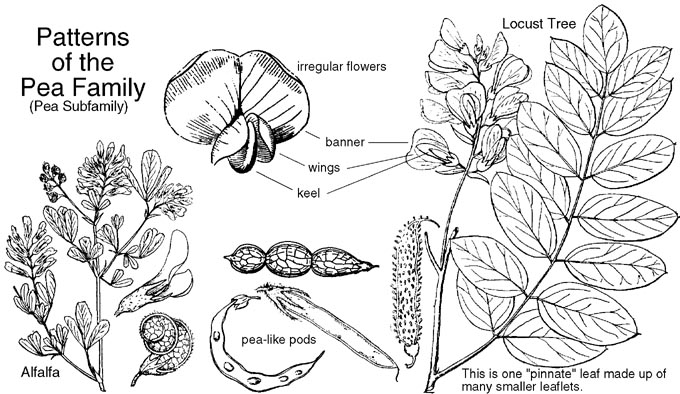
- Compound leaves, often with pinnate or palmate arrangements, and typically with stipules.
- Inflorescences that vary from racemes to panicles, sometimes resembling those of other families.
- Distinctive zygomorphic or papilionaceous flowers with a standard, two wings, and a keel formed by fused petals.
- A fruit that develops into a pod, known as a legume, which splits along two seams.
- Ability to form symbiotic relationships with rhizobia bacteria, leading to nitrogen-fixing nodules on roots.
The root nodule formation is particularly important, as it allows these plants to convert atmospheric nitrogen into a form usable by the plant, enhancing soil fertility.
ecological roles and benefits
Fabaceae Leguminosae family members contribute significantly to ecosystems and agricultural systems. They serve as nitrogen-fixing pioneers in disturbed habitats, improving soil quality and enabling the growth of other plants. Many species provide food and shelter for a wide range of animals, including insects, birds, and mammals. In agroforestry and crop rotation systems, legumes help reduce the need for synthetic fertilizers, promoting sustainable agriculture. Their deep root systems also aid in soil stabilization and water infiltration, reducing erosion and enhancing resilience to drought.
common examples and uses
Numerous species within the Fabaceae Leguminosae family have direct economic and nutritional importance. Food crops include soybeans, common beans, chickpeas, lentils, peas, and peanuts, which are essential protein sources globally. Forage legumes such as alfalfa, clover, and vetch support livestock production by providing high-quality feed. Other members are used in traditional medicine, as ornamentals, or for timber and fuelwood. The diversity within this family ensures that there is a legume suitable for various climates and purposes, from tropical to temperate regions.

taxonomy and classification
Taxonomists recognize Fabaceae as a distinct family based on molecular and morphological evidence. Within the family, several subfamilies and tribes help organize the vast diversity of species. The subfamily Faboideae, also called Papilionoideae, contains most of the well-known pulse crops and forage legumes. Mimosoideae includes plants like acacias, known for their compound leaves and small flowers in dense clusters. Caesalpinioideae is the most primitive subfamily, with varied forms ranging from trees to herbs. Modern classification systems often merge older families such as Caesalpiniaceae and Mimosaceae into the broader Fabaceae concept, reflecting evolutionary relationships.
conservation and challenges
Despite their importance, many species within the Fabaceae Leguminosae family face threats from habitat loss, climate change, and overexploitation. Wild relatives of cultivated legumes are particularly vulnerable and may hold valuable genetic traits for future breeding. Conservation efforts focus on protecting diverse gene pools and promoting sustainable use of legume resources. Researchers continue to study the symbiotic relationships with rhizobia and mycorrhizal fungi to enhance agricultural productivity and ecological restoration. Understanding and preserving this family is crucial for food security and environmental stability.
summary of main points
- The Fabaceae Leguminosae family is one of the largest plant families, with thousands of species worldwide.
- Key characteristics include compound leaves, papilionaceous flowers, pod fruits, and nitrogen-fixing root nodules.
- These plants play critical ecological roles, including nitrogen enrichment, soil stabilization, and support for biodiversity.
- They include major food crops, forage plants, and ornamentals with significant economic value.
- The family is taxonomically complex, with subfamilies such as Faboideae, Mimosoideae, and Caesalpinioideae.
- Conservation of diverse species and sustainable use are essential for future agricultural and environmental resilience.
frequently asked questions
Why are Fabaceae Leguminosae family plants important for agriculture? They provide essential protein sources, improve soil fertility through nitrogen fixation, and support sustainable farming systems.

Can all legumes fix nitrogen? Most members form symbiotic relationships with rhizobia, but the efficiency varies among species and environmental conditions.
What is the difference between Fabaceae and Leguminosae? Fabaceae is the modern botanical name, while Leguminosae is an older but still widely recognized term referring to the same family.
How do root nodules benefit the plant? They house bacteria that convert atmospheric nitrogen into ammonia, which the plant can use for growth.
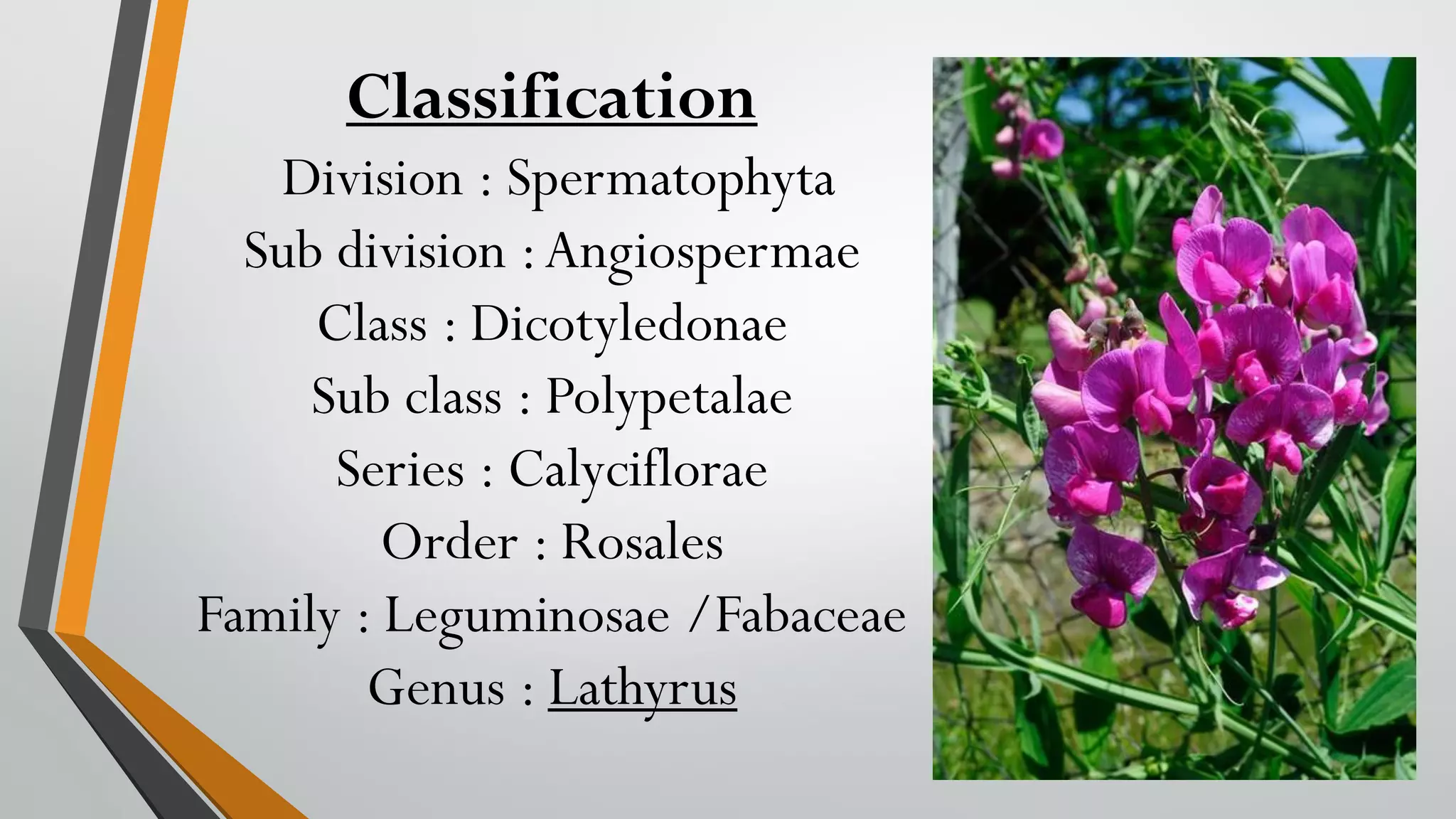
Are there any ornamental Fabaceae Leguminosae family plants? Yes, many species such as lupins and flowering beans are grown for their attractive flowers and foliage.
What threats do legume species face? Habitat destruction, climate change, and overharvesting of wild species pose significant risks to their survival.
How can I support legume conservation? By promoting sustainable agriculture, protecting natural habitats, and valuing diverse genetic resources in breeding programs.

