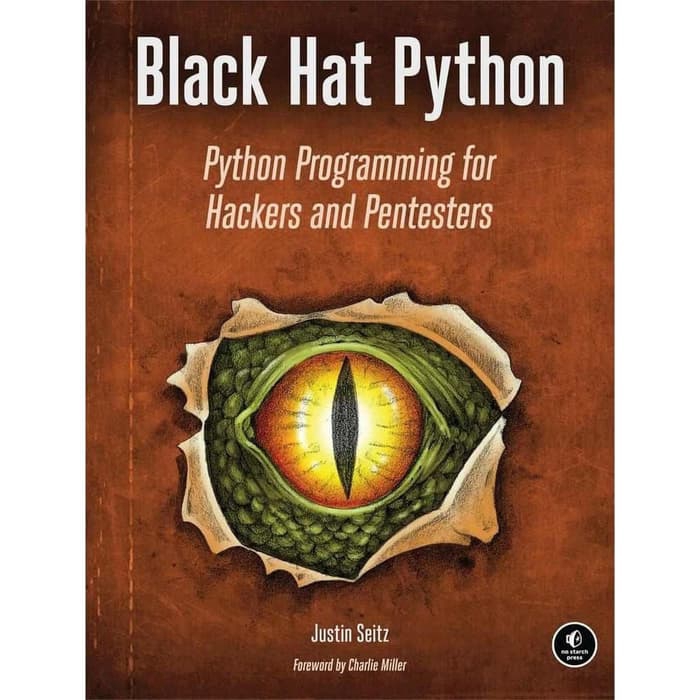
Black Hat Python Python Programming For Hackers And Pentesters Pdf

Black Hat Python Python Programming for Hackers and Pentesters PDF is a technical guide that focuses on using Python for security research, penetration testing, and offensive security tasks. This resource is intended for cybersecurity professionals, ethical hackers, security students, and researchers who already understand basic programming and networking concepts and who want to deepen their hands on skills in Python for security tooling.
What this PDF guide covers
This PDF is structured as a practical handbook that bridges Python scripting with real world hacking and penetration testing scenarios. It emphasizes building custom tools, understanding how attackers think, and automating routine tasks during assessments. The content is oriented toward offensive security workflows while also highlighting defensive implications.
- Core Python concepts relevant to security scripting and automation.
- Network programming, socket manipulation, and protocol interaction.
- Building custom security tools for reconnaissance, scanning, and exploitation support.
- Handling payloads, encoding, and communication with compromised systems.
- Working with files, processes, and system internals programmatically.
- Integrating third party libraries commonly used in security tooling.
Key features of the PDF
The guide is designed to be a hands on reference with code examples, explanations of how attacks work at the protocol and system level, and practical tips for adapting scripts to real engagements. It focuses on clarity, repeatability, and understanding rather than on ready made exploits.

- Step by step code walkthroughs for common penetration testing tasks.
- Explanations of how underlying protocols and operating system mechanisms work.
- Emphasis on ethical use, legal boundaries, and responsible disclosure.
- Modular scripts that can be adapted and extended for specific test scenarios.
- Coverage of both network level and host level programming topics.
- Practical tips for debugging, logging, and handling errors in security tools.
Target audience and prerequisites
This PDF is most useful for readers who already have basic Python knowledge and familiarity with networking fundamentals. It is suitable for aspiring penetration testers, red team members, security analysts, and researchers who want concrete examples of how Python can be used to build security oriented tooling.
- Basic understanding of Python syntax, data structures, and control flow.
- Familiarity with networking concepts such as TCP, UDP, HTTP, and DNS.
- Experience with command line environments and package management.
- Optional background in operating system concepts such as processes, threads, and file I/O.
Download and installation steps
Because this resource is distributed as a PDF, the workflow centers around acquiring the file and ensuring you have the right tools to read and work with the code examples.
- Locate a legitimate source for the PDF, such as an authorized publisher page or a platform that explicitly offers the book.
- Download the PDF to a device where you can run Python and security tools safely.
- Install a compatible PDF reader that allows searching and copying text if you plan to extract code snippets.
- Set up a Python environment on your system with required libraries and dependencies.
- Create isolated virtual environments for each major project to manage packages cleanly.
- Review licensing terms and use the material in accordance with ethical guidelines and local laws.
System requirements and specifications
The guide itself has modest requirements because it is a document, but following the code examples and running the scripts may need a reasonably capable development setup.
- Operating systems such as Windows, macOS, or Linux that support Python and common security tools.
- Python 3.x installed, along with package managers like pip for third party modules.
- Text editor or IDE with syntax highlighting for Python and basic debugging features.
- Network access in controlled environments when testing scripts that create network traffic.
- Optional libraries such as requests, scapy, and paramiko depending on the examples used.
Legitimacy and responsible use note
This PDF is a technical educational resource that explains how protocols, systems, and programming techniques can be used in security contexts. The material is intended for learning, authorized penetration testing, and defensive research. Always obtain explicit permission before testing systems that you do not own, and comply with applicable laws and organizational policies.
Summary of main points
The guide serves as a practical companion for security professionals who want to strengthen their Python based tooling skills for penetration testing and security research. It emphasizes understanding how attacks work under the hood, building adaptable scripts, and using Python to automate both offensive and defensive tasks.
- Covers Python programming concepts applied to security and penetration testing.
- Includes code examples for network interaction, scanning, and protocol handling.
- Focuses on building custom tools rather than relying solely on existing frameworks.
- Highlights legal, ethical, and responsible use considerations.
- Requires basic Python and networking knowledge to get the most value.
Perguntas frequentes
Este PDF é adequado para iniciantes em segurança da informação?
Ele é mais indicado para leigos com conhecimento básico de Python e redes, pois apresenta exemplos práticos sem introduzir desde o básico de programação.
Posso usar os scripts deste PDF em testes de penetração reais?
Sim, desde que você tenha autorização explícita para testar os sistemas e esteja agindo dentro dos limites legais e contratuais aplicáveis.
Que ferramentas externas são necessárias para acompanhar os exemplos?
Geralmente são necessárias bibliotecas Python de terceiros, como requests e scapy, além de um ambiente Python configurado localmente.
Este material cobre técnicas de defesa e detecção de ataques?
O foco principal é ofensivo, mas muitos exemplos ilustram como funcionam os ataques, o que auxilia na compreensão de medidas defensivas e de detecção.

