Black Black Cherry
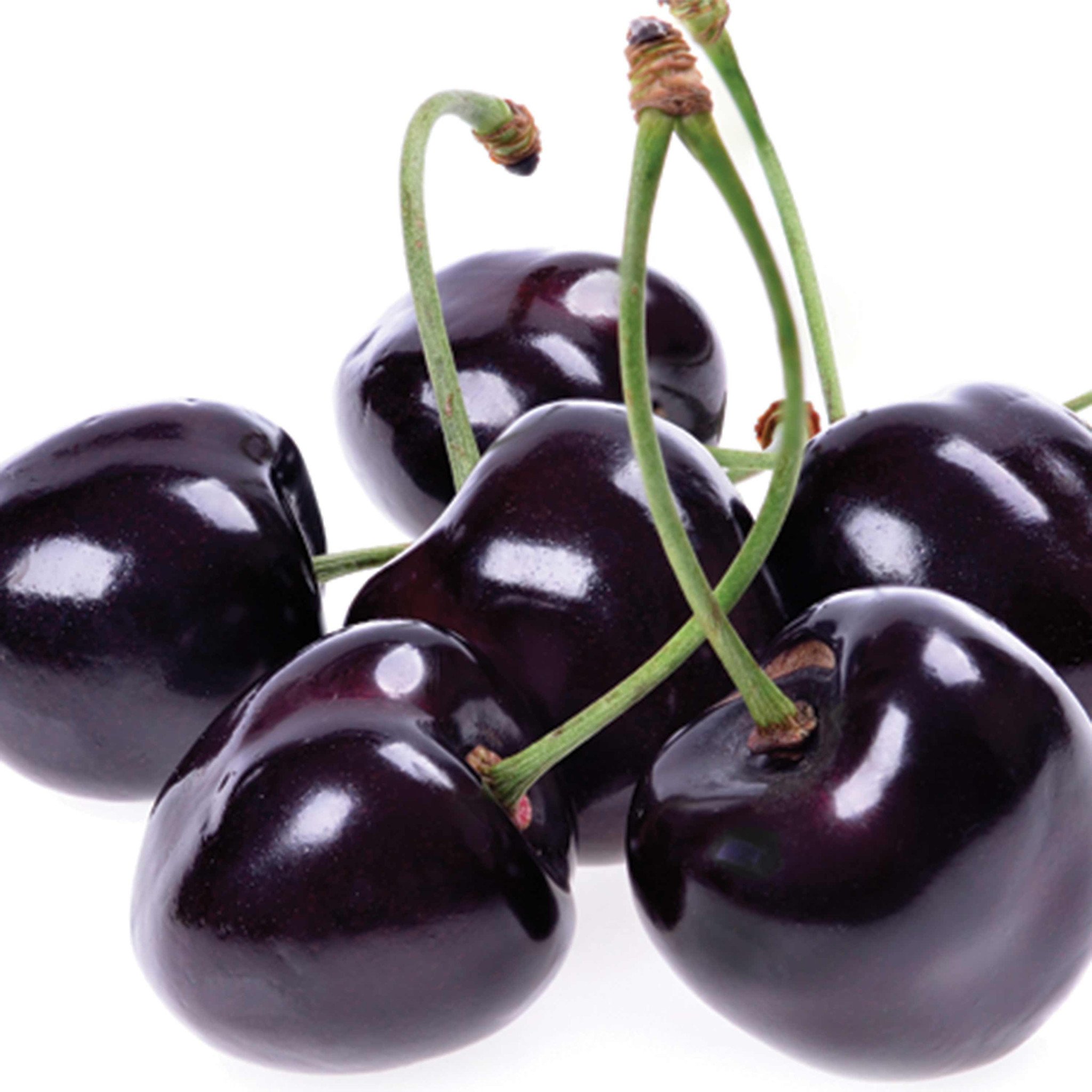
Discover how to identify, grow, and use black black cherry with practical steps for flavor, landscape, and wellness benefits. This guide walks you through recognizing the variety, site selection, planting, pruning, harvesting, and everyday uses so you can make the most of this distinctive fruit.
What is black black cherry and why does it matter
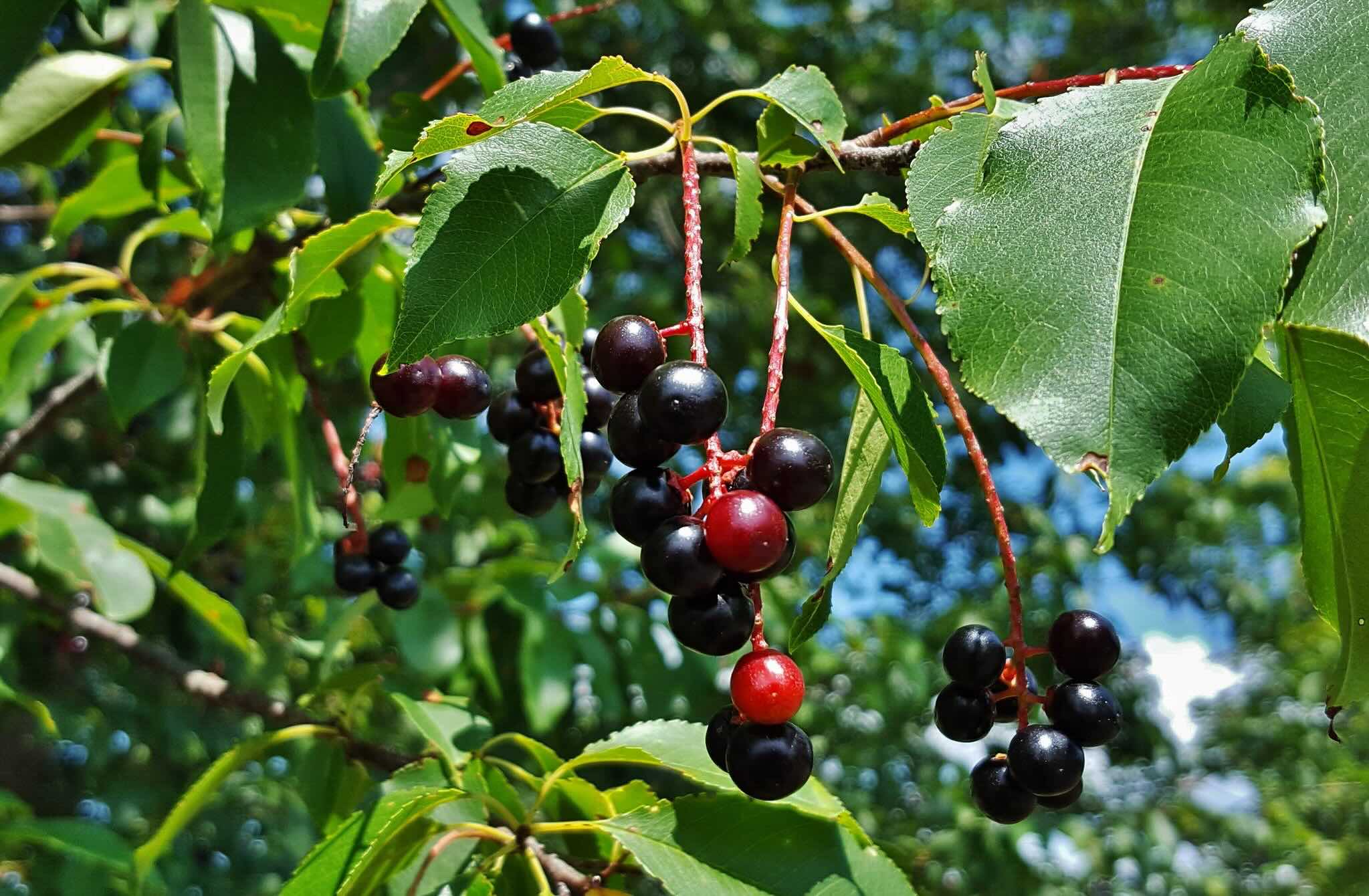
Black black cherry refers to a deeply colored stage of the fruit from Prunus serotina, often appearing nearly black when fully ripe. Unlike the bright red of immature drupes, the final black skin signals peak sugar development and concentrated aroma. This variety is valued for its rich, bittersweet flavor, use in jams and desserts, and the fine dark timber prized in woodworking. Understanding how the fruit ripens and how to manage the tree helps you enjoy better taste yields and healthier plants.
How can you identify black black cherry accurately
Start by examining bark, leaves, and fruit together to avoid confusion with other dark berries.
- Bark: Mature trunks show dark gray to black ridges with horizontal lenticels, sometimes curling in flakes.
- Leaves: Lance shaped, glossy dark green above, finely serrated, with a distinct bitter almond scent when crushed.
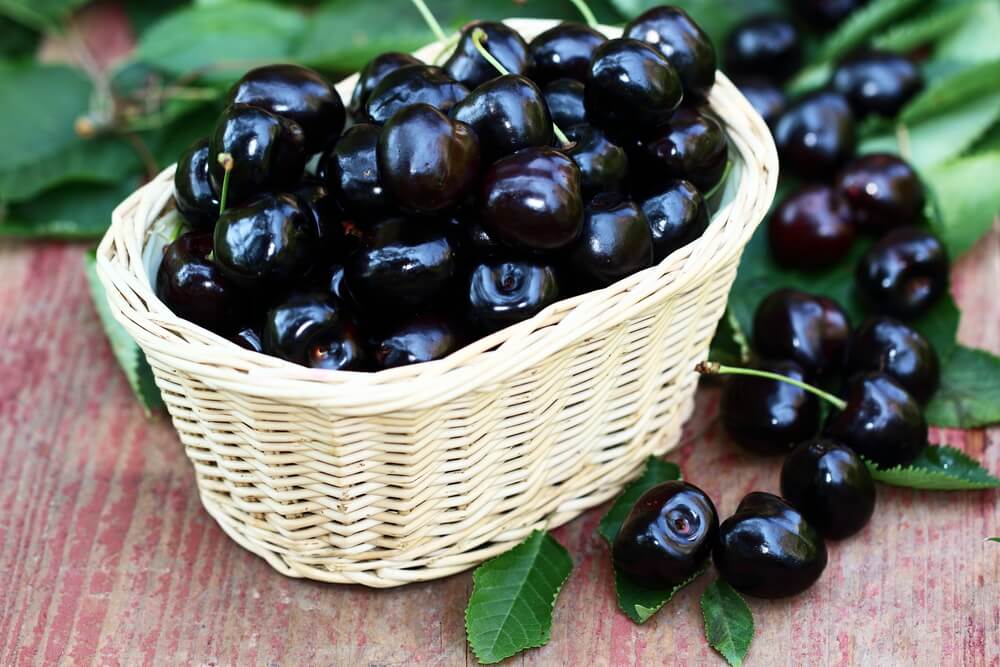
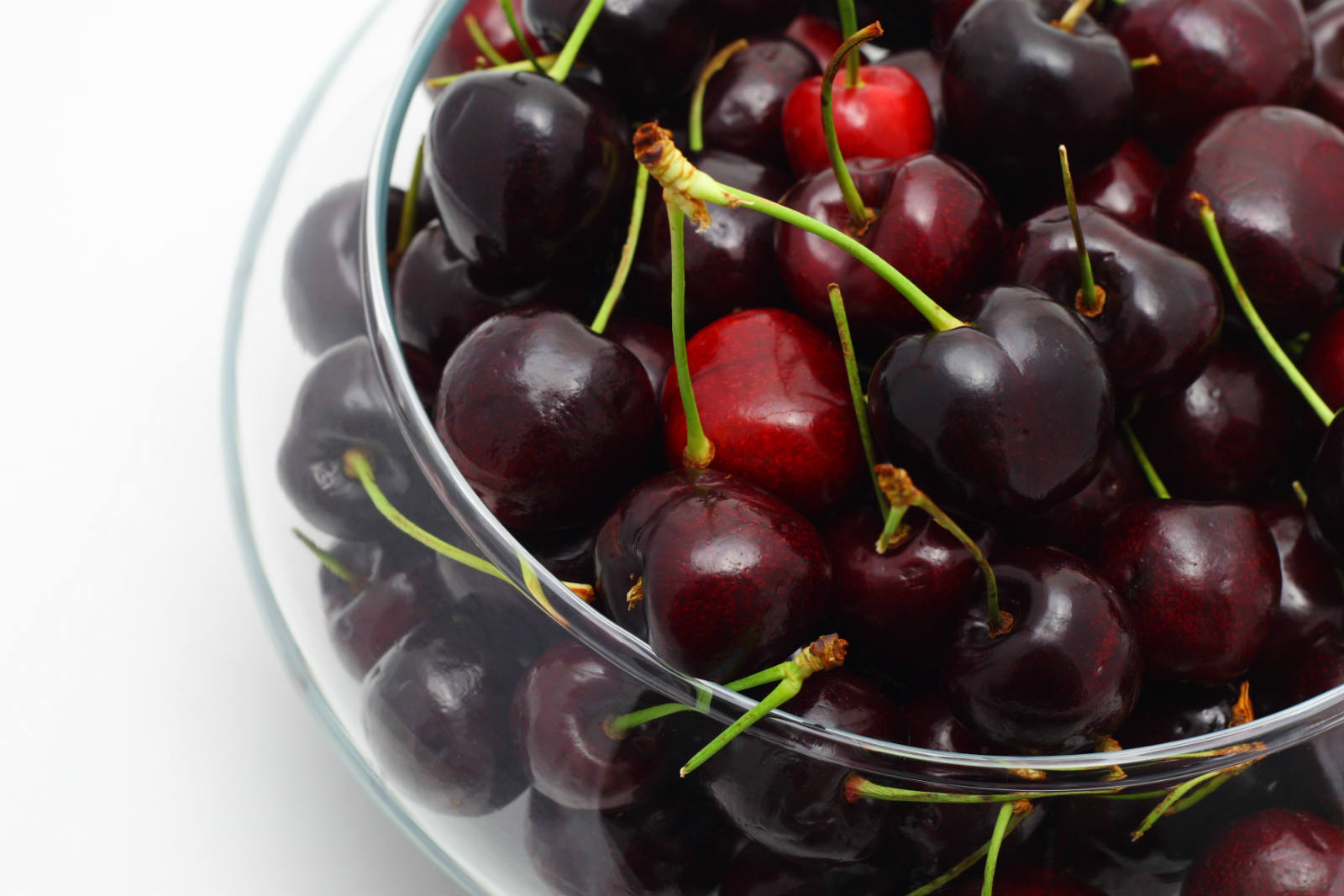
- Fruit progression: Young fruits are red, turning deep purple, and finally a near black when ripe.
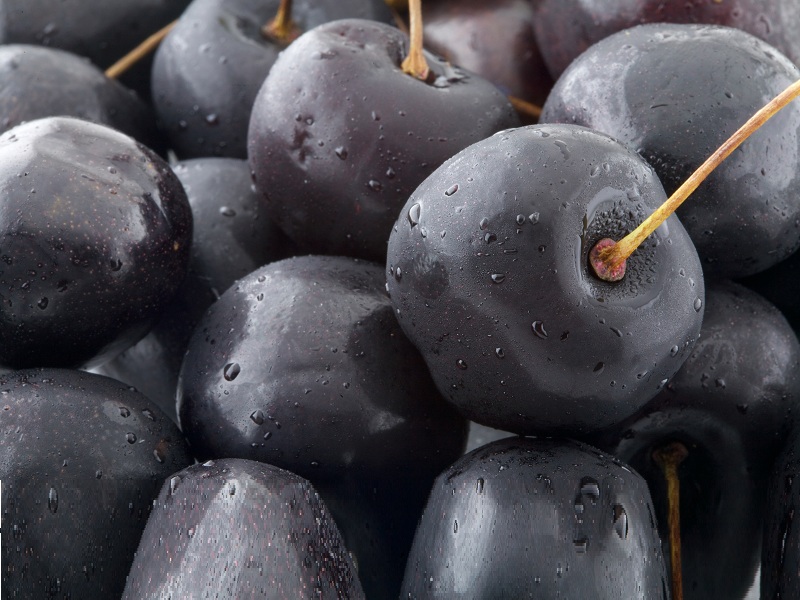
- Size and shape: Drupe about 6 to 8 mm, with a single hard stone inside and a glossy black skin.
- Season and location: Ripens in late summer in temperate regions, often along forest edges, roadsides, and fence lines.
Compare these traits with similar species, such as chokecherry, which has smaller clusters and a more astringent taste, to confirm identification.
Where is the best site and soil for black black cherry
Choose a location that mimics the tree’s natural successional habitat to reduce stress and disease.
- Sunlight: Full sun for at least six hours daily promotes even ripening and deeper color development.
- Drainage: Well drained, slightly acidic to neutral soil prevents root rot and supports healthy growth.
- Space: Allow ample room away from structures, power lines, and underground utilities, as the mature tree can become large.
- Airflow: Open spacing reduces humidity around foliage, lowering fungal risk.
- Landscape use: Consider views, seasonal shade, and wildlife attraction, since birds are drawn to the fruit.
Testing soil pH and organic matter before planting helps you adjust conditions and avoid future problems.
How do you plant and establish black black cherry
Proper planting gives the young tree a strong start and supports long term productivity.
- Time the planting for early spring after the last frost, when soil is workable and temperatures are mild.
- Prepare a wide planting hole that is as deep as the root ball and two to three times wider to ease root expansion.
- Set the tree so that the graft union, if present, sits 2 to 5 centimeters above soil level.
- Backfill with excavated soil, firming gently to remove large air pockets without compacting heavily.
- Water thoroughly to settle the soil and hydrate roots, then apply a thin mulch layer, keeping it a few centimeters from the trunk.
Avoid planting too deeply, as that can encourage collar rot and slow establishment.
How do you care for and prune black black cherry
Ongoing care focuses on balance between growth, fruiting, and structural strength.
- Watering: Provide consistent moisture during dry periods, especially for young trees, but avoid waterlogging.
- Fertilizing: Use a moderate, slow release fertilizer in early spring if growth is weak, but avoid excessive nitrogen that promotes soft growth.
- Pruning goals: Remove damaged wood, crossing branches, and suckers to maintain an open center and good light penetration.
- Timing: Conduct major pruning during dormancy to minimize sap loss and disease entry points.
- Disease management: Monitor for fungal issues and promote airflow to keep foliage drier between waterings.
Regular inspections help you catch pests and structural issues early, reducing the need for drastic corrective measures later.
When and how to harvest black black cherry for best flavor
Harvest at the right moment to enjoy peak sweetness and to protect the tree’s future production.
- Ripeness cues: Pick when the drupes are uniformly black, soft to the touch, and release easily with a gentle twist.
- Timing: Check frequently during peak season, as ripe fruit can quickly become overripe or attract birds.
- Method: Hold the stem and gently rotate the fruit to detach it, or clip clusters with scissors to minimize damage.
- Handling: Place harvested fruit in shallow containers to prevent crushing and bruising.
- Post harvest: Refrigerate promptly and use within a few days, or process into preserves for longer storage.
Leaving overripe fruit on the tree can attract pests and make future cleaning more difficult.
Common mistakes to avoid with black black cherry
Steering clear of these errors improves tree health and fruit quality.
- Planting too close to structures or underground lines, leading to future conflicts.
- Overwatering or planting in heavy clay without improvement, causing root problems.
- Pruning at the wrong time or removing too much foliage, which reduces photosynthesis.
- Ignoring early signs of pests or disease, allowing problems to escalate.
- Harvesting too early based on color alone, resulting in tart, astringent fruit.
Correcting these habits early helps you build a reliable routine for successful cultivation.
What are the uses and benefits of black black cherry
Beyond the table, the fruit and wood offer multiple practical applications.
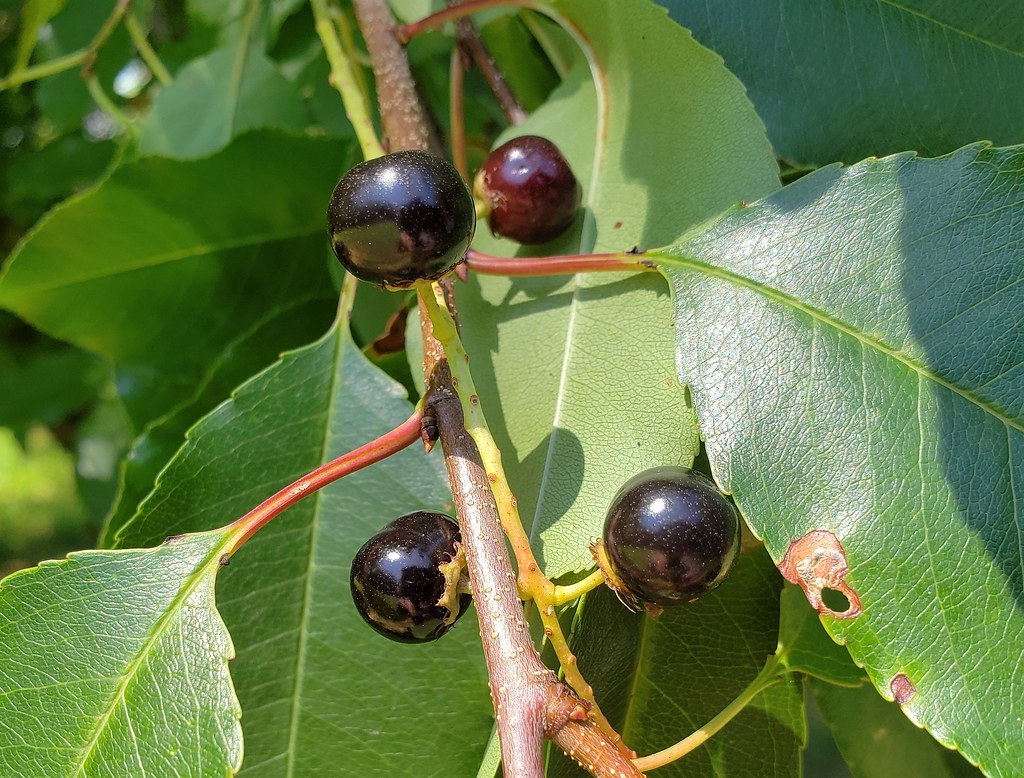
- Food: Use ripe drupes in jams, pies, syrups, and desserts to add a dark, tart sweet profile.
- Beverages: Ferment fruit into wines or brandies, or infuse syrups into cocktails and sodas.
- Crafting: Dark timber from the tree is used for furniture, cabinetry, and specialty wood projects.
- Traditional use: Some herbal traditions incorporate preparations from bark and fruit, though you should verify safety and regulations before use.
- Wildlife: Fallen fruit supports birds and small mammals, contributing to local biodiversity.
Understanding these uses helps you plan harvests and make the most of each season’s yield.
Frequently asked questions about black black cherry
- Is black black cherry safe to eat? Ripe fruit from healthy trees is generally safe for most people, but consume in moderation and avoid damaged or moldy drupes.
- How long does it take for a tree to bear fruit? Trees typically begin producing noticeable crops within four to six years after planting, depending on growing conditions.
- Can I grow black black cherry in a container? Young trees can be grown in large containers with good soil and drainage, but mature trees prefer in ground planting due to size and root needs.
- What should I do if the fruit tastes bitter? Ensure full ripeness on the tree, as early picking can cause astringency; also check soil and water balance, which can affect flavor.
- Are there pests or diseases I should watch for? Monitor for fruit flies, borers, and fungal diseases, using cultural practices like cleanup and proper spacing to reduce risk.
By following these steps and adjusting care to your local conditions, you can enjoy consistent crops of flavorful black black cherry and appreciate the tree’s multiple benefits in the landscape.
Black Cherry
Provided to YouTube by Sony Music Labels Inc. Black Cherry · Buck-Tick Mona Lisa OVERDRIVE ℗ 2002 Sony Music Labels Inc.
