Barbie 1959 Original

Exploring the barbie 1959 original means stepping into the moment when Barbie truly came into her own. This first year marked a turning point for the iconic fashion doll, establishing the sleek silhouette, modern wardrobe, and aspirational spirit that would define generations of play and collecting. For enthusiasts, the barbie 1959 original represents the foundational design that launched a global phenomenon, making it a focal point for both nostalgic adults and serious collectors.
Defining the 1959 Barbie Debut
The Birth of an Icon
The barbie 1959 original appeared at the American International Toy Fair in New York in February 1959, presented by Mattel with a bold, grown-up vision. Unlike earlier baby dolls, this first Barbie featured a teenage-inspired figure, adult-like proportions, and a sophisticated sensibility that set her apart from contemporaries. The year 1959 is etched into her history as the launchpad for what would become one of the most recognizable toys worldwide, establishing the core aesthetic that persists in modern barbie designs.
Distinctive Design and Features
Signature Look and Build
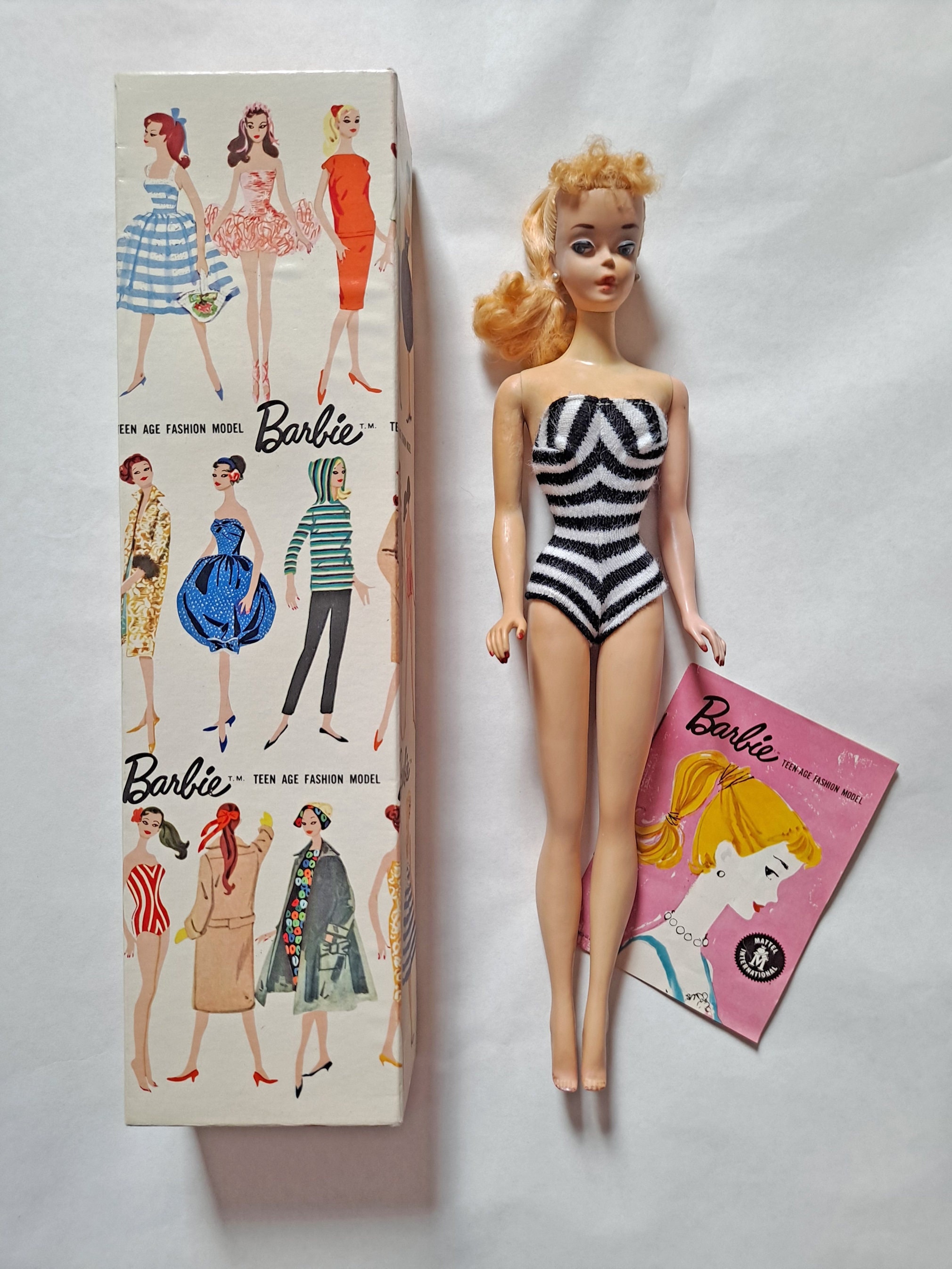
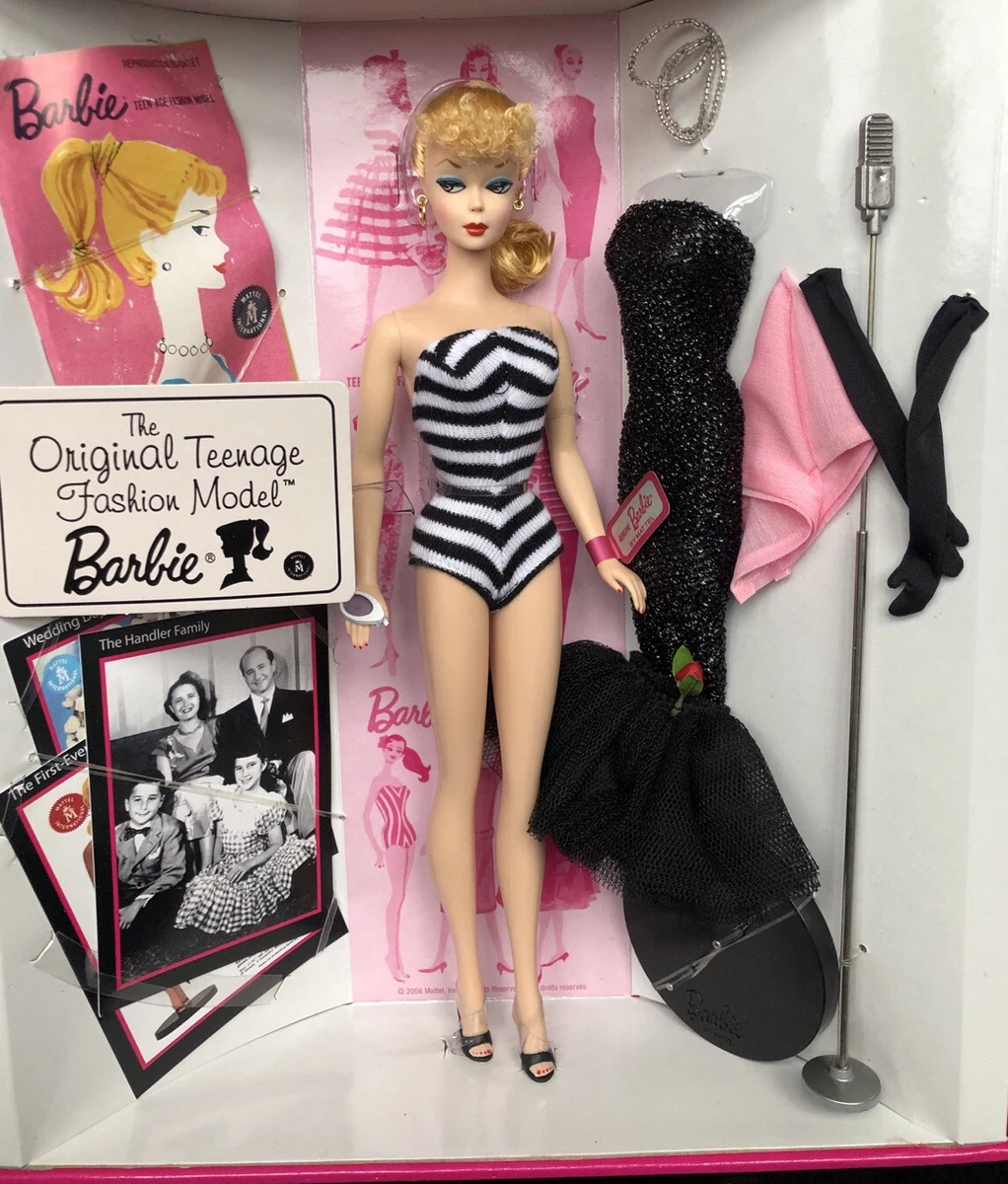
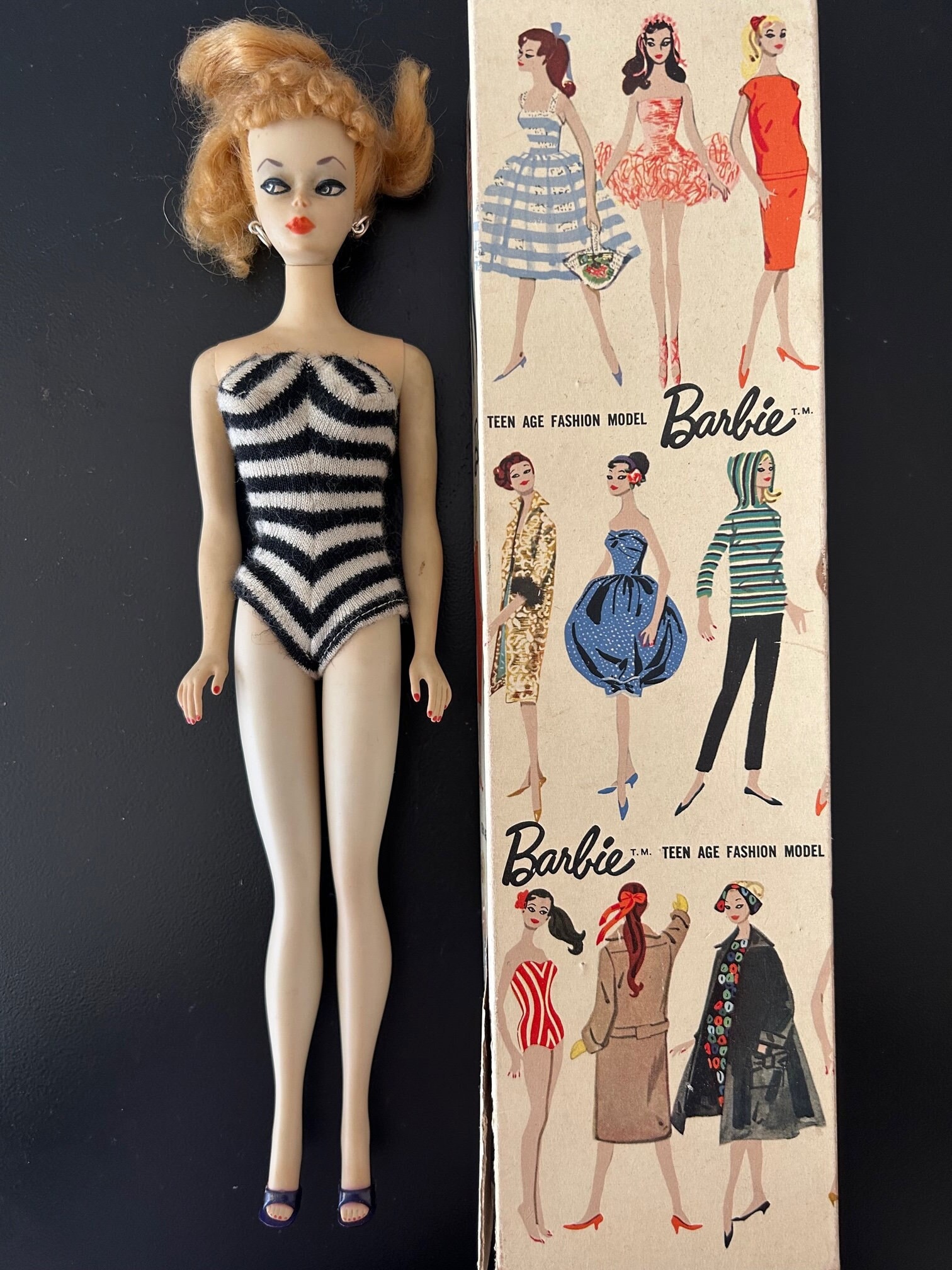
The barbie 1959 original is instantly recognizable by her molded ponytail, arched eyebrows, and painted eyeliner that gave her a striking, wide-eyed expression. Her body, while more simplistic than today’s articulated dolls, allowed for a greater range of motion than previous fashion dolls, encouraging dynamic posing and storytelling. The classic black and white striped swimsuit, red hair, and molded plastic heels defined her inaugural outfit, symbolizing the era’s emerging youth culture and fashion optimism.
Collectible Markers and Variations
- Original box art with the iconic black and white stripe design
- Deep side-part hairstyle with a center-parted fringe
- Black and white striped one-piece swimsuit with red trim
- Adjustable earrings and a bendable waist for poseability
- Production variations including blonde and brunette hair options
Cultural Impact and Legacy
Shaping Generations of Play
The barbie 1959 original did more than introduce a new toy; she offered a canvas for imagination, allowing children to project future selves onto a figure that embodied independence and style. Her presence on shelves signaled a shift toward toys that encouraged narrative play and career role-playing, influencing how subsequent generations engaged with fashion, ambition, and self-expression through play.
Identifying an Authentic 1959 Original
Key Authentication Points
For collectors, distinguishing a genuine barbie 1959 original from reproduplications requires attention to detail. Look for the patent date on the lower back, which should read 1958 or 1959, and inspect the quality of the molded features. Early Barbie dolls from this year often show slight variations in paint application and hair sculpting, which can be telltale signs of their hand-crafted production origins in the late 1950s.
Condition and Preservation
Caring for Vintage Barbie
- Store in a cool, dry place away from direct sunlight to prevent fading
- Handle with clean hands to avoid transferring oils or dirt
- Use archival-quality boxes or display cases for long-term preservation
- Avoid harsh cleaning chemicals; gentle dusting is recommended
- Keep original accessories with the doll to maintain provenance
Market Value and Collectibility
Investment and Rarity Factors
The barbie 1959 original holds significant value in the vintage toy market, with well-preserved examples commanding high prices among collectors. Factors influencing worth include completeness, original packaging, hair condition, and the presence of original accessories. Mint-condition specimens and rare variations, such as those with intact color on hands and face, are particularly sought after in auction settings and among dedicated barbie aficionados.
Summary of Key Points
- The barbie 1959 original marks the debut of the iconic fashion doll with a modern, teenage-inspired design
- Distinctive features include molded ponytail, side-part hair, and the classic black-and-white striped swimsuit
- Cultural impact spans generations, fostering imaginative play and aspirational storytelling
- Authentication relies on patent dates, mold details, and production variations
- Proper preservation techniques are essential for maintaining condition and value
- Market demand remains strong, especially for well-preserved examples with original accessories
Frequently Asked Questions
Collectors and fans often seek clarity on evaluating and appreciating the barbie 1959 original, which remains a cornerstone of toy history.
How can I verify if my Barbie is a true 1959 original?
Check for the patent date on the lower back, inspect hair sculpting and paint details, and compare box art to known 1959 packaging. Variations in hair color and minor molding marks can also indicate an authentic vintage piece from that year.
What is the typical value of a 1959 Barbie in good condition?
Value varies based on condition, completeness, and provenance. Mint examples with original boxes and accessories can fetch substantial sums, while play-grade dolls still hold considerable nostalgic value for collectors and enthusiasts.
Are there notable variations within the 1959 Barbie collection?
Yes, differences in hair color (blonde vs. brunette), eye color, and minor facial paint applications create collectible variations that enthusiasts seek out, adding depth to the barbie 1959 original narrative and appeal.
