Atari 2600 Video Computer System

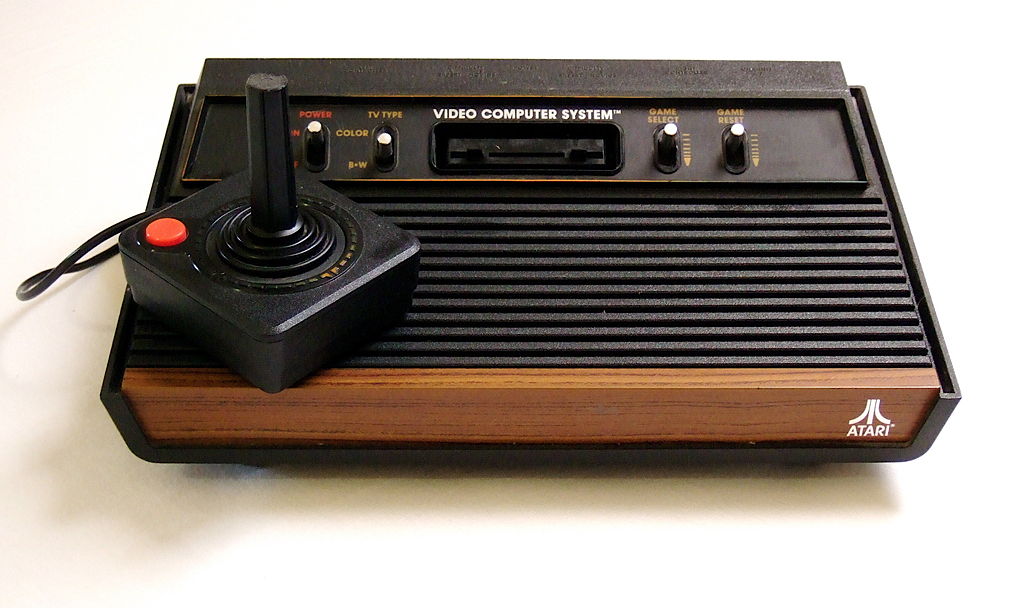
Few names evoke the early days of home gaming quite like the Atari 2600 Video Computer System, a compact beige box that quietly rewired our relationship with entertainment. When you talk about the Atari 2600 video computer system, you are not just talking about a console; you are talking about the spark that ignited a global industry. Released in 1977, it took the simple, blocky graphics of arcade cabinets and brought them into the living room, inviting a new breed of player to become a creator. Powered by the humble MOS 6507 processor and tethered to the television by a single cord, this unassuming machine taught a generation that pixels could tell stories, that code could be art, and that the only limit to play was your imagination. In this guide, we will journey from the first flicker of power to the complex worlds built within its constraints, understanding why the Atari 2600 video computer system remains a beloved relic and a timeless teacher.
What Makes the Atari 2600 a "Video Computer System" and Not Just a Console?
The official name, Atari 2600 Video Computer System, is far more than marketing fluff; it is a precise description of what the machine truly is. Unlike modern consoles that come pre-loaded with a fixed operating system and a sealed library, the 2600 was designed from the ground up to be a shared, mutable platform. The moment you plugged in a cartridge, you were not just loading a game; you were loading an entirely new set of rules, a new processor, and a new way of seeing the world. The console itself was essentially a blank slate, a television interface for the 6507 microprocessor. This architecture meant that every game was, in effect, a tiny, specialized computer program. Developers had to build everything from the ground up—graphics, sound, game logic—because the hardware provided almost nothing out of the box. This raw, open nature is why we still see new homebrew titles being released today, a testament to the enduring flexibility of the video computer system concept.
How Did a Simple Box with a Joystick Redefine Play Forever?
To understand the cultural impact of the Atari 2600 video computer system, you have to remember the world it entered. In the mid-1970s, entertainment for many meant pinball machines, board games, or the occasional Pong table. The 2600 changed that equation by putting a dynamic, interactive fantasy world directly into your hands for a fraction of the cost. The magic was not in graphical fidelity—those colorful, jagged blocks and pixelated sprites were born from severe technical limitations—but in the sheer sense of possibility it created. A single weekend could be spent blowing into cartridges (a notorious trick to fix connection issues) and discovering a new universe. Games like Space Invaders, Adventure, and Combat were not just titles; they were portals. They taught a generation of kids that a controller could be a steering wheel, a sword, or a paddle, translating physical gestures into on-screen action. The process of learning a game’s hidden rules, its quirks and cheats, became a communal activity, a shared language spoken in living rooms across the world.
Can the Atari 2600 Video Computer System Still Teach Us About Game Design Today?
Modern game development is a symphony of cutting-edge technology, with gigabytes of data, cinematic storytelling, and physics engines that simulate reality. Yet, studying the Atari 2600 video computer system reveals the foundational principles that remain timeless. Because the hardware was so limited, every byte of memory and every processing cycle was precious. This constraint bred a level of design elegance that is often missing from today’s bloated titles. Developers learned to prioritize gameplay loop over graphical spectacle, to communicate complex ideas through simple, iconic shapes. The famous flickering ghosts in Pac-Man or the blocky tanks in Battlezone were not failures of technology, but clever solutions to impossible problems. The 2600 forced a purity of design where a game had to be fun in its most basic form to hold a player’s attention. For today’s indie developers, the Atari 2600 is a masterclass in "constraint as a catalyst," proving that compelling experiences are born from clever code and big ideas, not just from raw power.
What is the Legacy and Enduring Charm of This Pioneering Machine?
Long after the Nintendo Entertainment System and Sega Genesis claimed the spotlight, the spirit of the Atari 2600 video computer system continued to glow. Its legacy is not merely in the sales figures or the number of cartridges sold, but in the DNA of the industry itself. It proved that the home console was a viable and vibrant market, paving the way for every system that followed. The aesthetic of the 2600—its rugged joysticks, the satisfying click of the cartridge slot, the grainy flicker on the screen—has become synonymous with the birth of a digital generation. Collectors seek out the original boxes and mint-condition controllers, not just for the games, but for the tangible connection to a simpler, more experimental time. Furthermore, the active community of programmers who continue to write new software for the console ensures that the video computer system is not a museum piece, but a living, evolving platform. In a world of disposable entertainment, the Atari 2600 endures as a symbol of creativity, resilience, and the pure, unadulterated joy of play.
