American Way Of Life
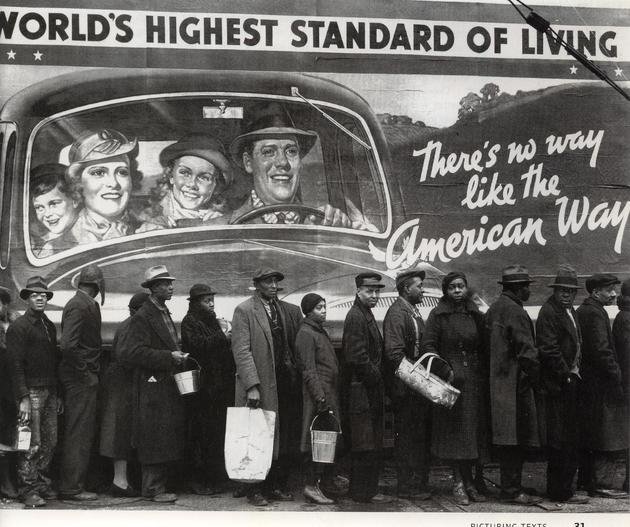
Understanding the Core of American Way of Life
The phrase american way of life evokes powerful images and ideas that shape conversations around the world. It represents a collection of shared beliefs, daily habits, and social expectations that many people in the United States hold dear. While every individual experiences it differently, certain themes like independence, opportunity, and informality weave through the fabric of everyday existence. Understanding these themes helps explain how people prioritize their time, energy, and relationships in this cultural context. This exploration goes beyond stereotypes to look at practical values and routines that influence personal choices, from education and work to leisure and community involvement.
Independence and Personal Responsibility
One of the most defining features of this cultural framework is a strong emphasis on self-reliance. From a young age, many are encouraged to make their own decisions, manage personal finances, and solve problems independently.
- Financial autonomy: Young adults often move out early, seek part-time work, and learn to budget with limited support.
- Decision-making freedom: Choices about careers, relationships, and lifestyle are generally respected as personal matters.
- Accountability: There is a cultural expectation to own one’s actions and their consequences, reinforcing a sense of duty.
Balancing Independence with Community
While independence is celebrated, it does not eliminate the role of community. People still rely on neighbors, colleagues, and local organizations, but participation is often voluntary rather than obligatory.
Opportunity and Mobility
The promise of advancement through effort is a recurring theme in the american way of life. The idea that talent and hard work can improve one’s status motivates many to pursue education, career changes, and entrepreneurial ventures.
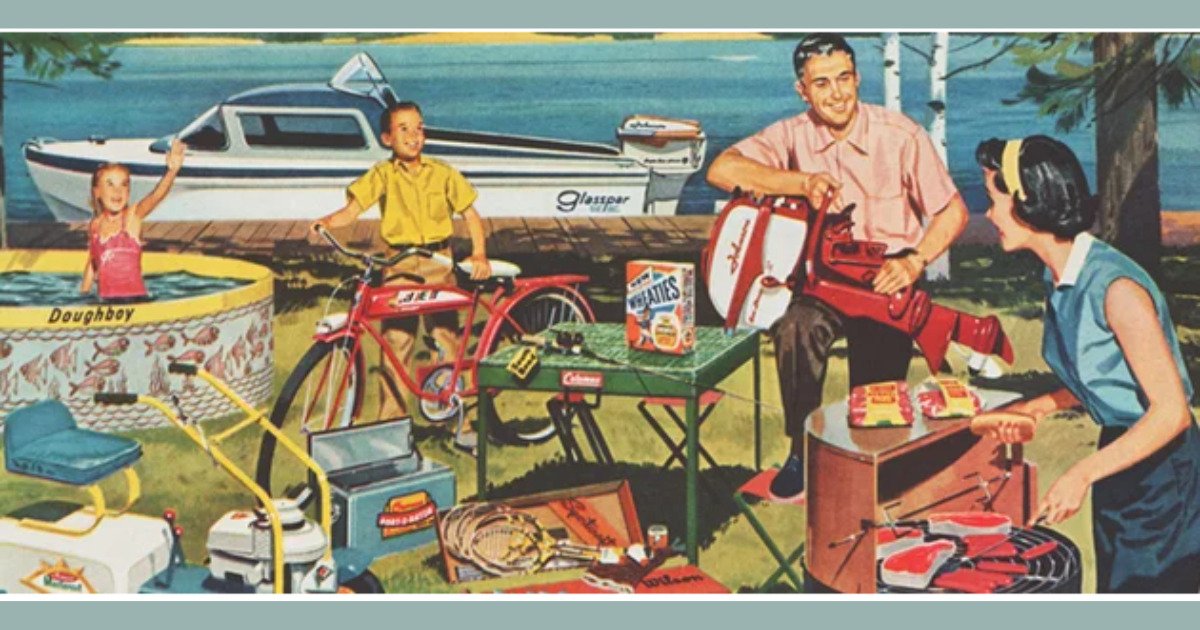
- Education as a ladder: Schools, colleges, and training programs are seen as pathways to better jobs and higher income.
- Career flexibility: Switching industries or roles is common, reflecting a belief that opportunity is not fixed in one place.
- Entrepreneurial spirit: Starting a business is culturally supported, with stories of innovation often highlighted in media.
Realities and Challenges
In practice, structural factors such as geography, economic cycles, and social networks can influence how accessible opportunity really is. Yet the belief that effort can create change remains a powerful driver of daily motivation.
Informality and Direct Communication
Social interactions often favor a casual tone, even in professional settings. First-name usage, relaxed dress codes, and straightforward feedback are common expressions of this value.
- Workplace culture: Teams may prioritize open dialogue over rigid hierarchy.
- Social settings: Gatherings frequently feature casual conversation and humor.
- Time efficiency: People tend to value clear, direct communication that avoids unnecessary formality.
Regional Variations in Style
Formality levels can differ across regions and industries, but the underlying preference for sincerity and clarity usually remains consistent.
Work Ethic and Productivity
Dedication to one’s job and measurable output is often seen as a sign of seriousness and integrity. Long hours, ambitious goals, and continuous improvement are frequently praised.

How This Manages Daily Life
Many organize their schedules around work commitments, using tools like to-do lists, calendars, and performance metrics to stay on track.
Consumer Culture and Convenience
A wide range of goods and services is readily accessible, encouraging habits centered around choice, comparison, and immediate satisfaction.
- Brand variety: Supermarkets and online platforms offer numerous options for everyday items.
- Fast services: Delivery apps, express checkouts, and instant support meet the demand for speed.
- Seasonal spending: Holidays often feature heightened shopping and promotional activity.
Impacts on Lifestyle
This convenience can shape daily routines, from how people plan meals to how they manage household tasks, sometimes reducing time spent on traditional domestic activities.
Leisure and Recreation Patterns
Free time is often filled with activities that emphasize enjoyment, competition, and social connection. Preferences vary widely, but certain pastimes are widely recognized.

Popular Choices Across Ages
Weekend outings, sports leagues, streaming entertainment, and travel are common ways people recharge and bond with others.
Diversity and Regional Differences
The american way of life is not uniform; it shifts across cities, suburbs, and rural areas, influenced by local history, climate, and population makeup.
- Urban centers: Often feature faster pace, public transit, and diverse cultural offerings.
- Suburban neighborhoods: May prioritize family-oriented spaces and car-dependent lifestyles.
- Rural communities: Tend to have closer-knit social ties and connections to land or local industries.
Cultural Contributions
Immigration and cross-cultural exchange continuously reshape language, music, food, and traditions, making the concept dynamic rather than static.
Technology and Modern Interaction
Digital tools have transformed how people work, learn, and socialize, introducing new norms around availability and attention.
Everyday Integration
Smartphones, social platforms, and home devices are woven into routines, affecting everything from how news is consumed to how friendships are maintained.
Summary of Main Points
- Independence and personal responsibility guide many daily decisions.
- Opportunity and mobility drive educational and career ambitions.
- Informality and direct communication shape social and professional interactions.
- A strong work ethic influences productivity and time management.
- Consumer culture and convenience affect purchasing habits and lifestyle choices.
- Leisure patterns vary but often focus on enjoyment and social connection.
- Regional and cultural diversity create multiple expressions of everyday life.
- Technology continuously reshapes communication and access to information.
Adapting the American Lifestyle to Personal Goals
For those looking to incorporate elements of this cultural approach, it is helpful to focus on practical adjustments rather than wholesale change. Start by defining which values, such as self-reliance or continuous learning, align with your existing priorities. Then, introduce small habits, like managing a personal budget or dedicating time to skill development, that reflect those ideals. Pay attention to how local community resources and digital tools can support your efforts without overwhelming your schedule. Remember that balance is important, so allow space for rest and genuine connection alongside ambition and productivity.
Frequently Asked Questions
Below are common questions about the american way of life, answered concisely to clarify misunderstandings and offer practical insight.
Is this way of life the same across the entire country?
No. Regional, economic, and cultural differences create significant variety in how these values are expressed on a daily basis.

Can someone outside the United States adopt these habits?
Yes. Many elements, such as a focus on self-improvement or direct communication, can be adapted to different cultural settings while respecting local norms.
How does modern technology change traditional patterns?
It accelerates access to information, transforms how people work, and introduces new forms of social interaction, sometimes reinforcing convenience and mobility ideals.
Como surgiu o "AMERICAN WAY OF LIFE" e a sua HISTÓRIA
Como surgiu a expressão "American Way of Life" ? Conheça a história do estilo americano de ser que influenciou e se tornou ...
